

Are you aware that a significant portion of your overall well-being is directly linked to the state of your gut? The intricate balance of your gut microbiome plays a crucial role in your immune system, influencing everything from digestion to mental clarity.
As I explore the world of gut health, it becomes clear that nutrition is a key factor in maintaining a healthy gut. By making informed dietary choices, you can significantly enhance your gut health naturally. This involves understanding the importance of certain foods and nutrients that support a balanced gut microbiome.
Key Takeaways
- Understanding the link between gut health and overall well-being
- Identifying dietary changes that support gut health
- Learning about key nutrients for a balanced gut microbiome
- Discovering natural ways to enhance digestion
- Implementing gut health tips into daily life
Understanding the Gut Microbiome and Its Impact on Overall Health
Our gut microbiome is a complex ecosystem that significantly impacts our health, from digestion to mental well-being. The gut microbiome consists of trillions of microorganisms living in our gastrointestinal tract, playing a crucial role in various bodily functions, including metabolism, immune response, and even brain function.
What Makes a Healthy Gut?
A healthy gut is characterized by a balanced gut microbiome, where beneficial bacteria outnumber the harmful ones. This balance is crucial for proper digestion, absorption of nutrients, and the prevention of gastrointestinal disorders. A diverse diet rich in fiber is key to maintaining this balance, as it provides the necessary nutrients for beneficial bacteria to thrive.
Signs of Poor Gut Health
Poor gut health can manifest in various ways, including bloating, abdominal pain, diarrhea, or constipation. More systemic issues such as fatigue, skin problems, and even mental health disorders like anxiety and depression can also be linked to an imbalanced gut microbiome. Recognizing these signs early can help in taking corrective measures to restore gut health.
The Gut-Brain Connection
The gut and the brain are connected through the gut-brain axis, a bidirectional communication network that links the enteric nervous system with the central nervous system. This connection explains why gut health can significantly impact mental health and vice versa. As Dr. Emeran Mayer states, “The gut and the brain are connected in a way that is much more complex than we previously thought.” Maintaining a healthy gut microbiome is thus crucial for both physical and mental well-being.
“The gut is the gateway to health, and the gut microbiome is the key to unlocking that gateway.”
By understanding the gut microbiome and its impact on overall health, we can take proactive steps to maintain a healthy gut through diet and lifestyle choices, ultimately enhancing our overall well-being.
How to Improve Gut Health Through Diet: Core Principles
To achieve optimal gut health, it’s essential to understand and apply core dietary principles. A well-structured diet can significantly enhance the gut microbiome, leading to improved overall health.

Increasing Dietary Fiber Intake
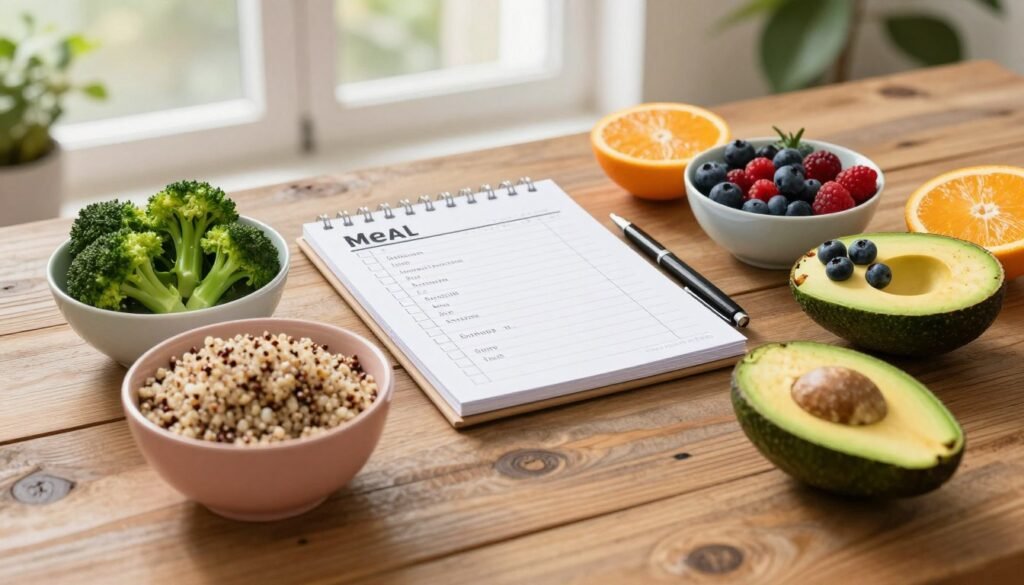
A diet rich in fiber is crucial for promoting the growth of beneficial bacteria in the gut. Foods high in fiber include fruits, vegetables, and whole grains. For example, berries, broccoli, and quinoa are excellent sources of dietary fiber.
Increasing fiber intake can help regulate bowel movements and prevent constipation. It’s recommended to gradually increase fiber consumption to allow the gut microbiome to adjust.
Balancing Macronutrients for Optimal Gut Function
Balancing macronutrients is vital for maintaining optimal gut function. A diet that includes the right proportions of proteins, carbohydrates, and fats supports the growth of beneficial bacteria and overall gut health.
For instance, proteins are essential for repairing the gut lining, while carbohydrates provide energy for the gut microbiome. Healthy fats, such as those found in avocados and nuts, support the absorption of vitamins and minerals.
Hydration’s Role in Digestive Health
Adequate hydration is crucial for digestive health as it helps prevent constipation and maintains the integrity of the gut lining. Drinking enough water throughout the day is essential for overall gut health.
Additionally, consuming hydrating foods such as cucumbers and watermelon can contribute to daily hydration needs. It’s also important to limit dehydrating beverages like those high in caffeine and sugar.
Establishing Regular Eating Patterns
Establishing regular eating patterns can help regulate bowel movements and improve overall gut health. Eating at consistent times each day can support the gut microbiome.
Skipping meals or eating irregularly can disrupt the balance of gut bacteria, potentially leading to digestive issues. Therefore, maintaining a consistent eating schedule is beneficial.
Powerful Probiotic and Prebiotic Foods to Add to Your Diet
To support gut health, it’s essential to consume probiotic and prebiotic foods that foster a thriving community of beneficial bacteria. These foods work synergistically to enhance the gut microbiome, leading to improved digestion, boosted immune function, and even mental health benefits.
Top Probiotic-Rich Foods and Their Benefits
Probiotic-rich foods are teeming with live bacteria that can help populate your gut with beneficial microbes. Some of the top probiotic-rich foods include:
- Yogurt: Rich in Lactobacillus acidophilus and Bifidobacterium bifidum, yogurt can aid digestion and enhance immune function.
- Kefir: This fermented milk drink contains a variety of probiotic bacteria and yeasts, supporting gut health and potentially reducing inflammation.
- Sauerkraut: Fermented cabbage is rich in Lactobacillus plantarum, which can help maintain a healthy gut lining.
These probiotic-rich foods can be easily incorporated into your diet to support gut health.
Essential Prebiotic Foods for Feeding Good Bacteria
Prebiotic foods provide the necessary fiber for beneficial bacteria to thrive. Some essential prebiotic foods include:
- Asparagus: Rich in inulin, a prebiotic fiber that feeds beneficial bacteria.
- Bananas: A good source of pectin, which acts as a prebiotic to support gut health.
- Oats: Contains beta-glucans, which can help feed beneficial bacteria and promote a healthy gut.
Including these prebiotic foods in your diet can help create a favorable environment for beneficial bacteria to flourish.

Fermented Foods: The Gut Health Superheroes
Fermented foods are not only rich in probiotics but also contain other beneficial compounds that support gut health. Some examples include:
- Kimchi: A Korean fermented vegetable dish rich in probiotics and vitamins.
- Miso: A fermented soybean paste that contains probiotics and antioxidants.
- Tempeh: A fermented soybean product that is high in probiotics and protein.
These fermented foods can add variety to your diet while supporting gut health.
Beneficial Herbs and Spices for Gut Health
Certain herbs and spices have been found to have beneficial effects on gut health. Some examples include:
| Herb/Spice | Benefit |
|---|---|
| Ginger | Aids digestion and reduces inflammation |
| Turmeric | Contains curcumin, which has anti-inflammatory properties |
| Peppermint | Can help soothe digestive issues and reduce symptoms of IBS |
Incorporating these herbs and spices into your meals can not only enhance flavor but also support gut health.
Creating a Gut-Friendly Meal Plan
To achieve optimal gut health, it’s essential to develop a meal plan that incorporates gut-friendly foods. A well-structured gut-friendly diet can help promote a balanced gut microbiome, enhancing overall well-being. In this section, we’ll explore how to create a meal plan that supports gut health.
Sample 7-Day Gut Health Diet Plan
A 7-day gut health diet plan can serve as a great starting point for those looking to improve their gut health. Here’s a sample plan:
- Monday: Oatmeal with banana and almond milk, topped with walnuts
- Tuesday: Grilled chicken with roasted vegetables and quinoa
- Wednesday: Smoothie bowl with probiotic yogurt, berries, and spinach
- Thursday: Grilled salmon with sweet potato and green beans
- Friday: Lentil soup with whole-grain bread
- Saturday: Grilled turkey burger on a whole-grain bun with avocado
- Sunday: Stir-fry with chicken, mixed vegetables, and brown rice
This plan includes a variety of gut-friendly foods such as fiber-rich fruits and vegetables, lean proteins, and whole grains.
Gut-Healing Recipes to Try Today
Incorporating gut-healing recipes into your meal plan can be both delicious and beneficial. Some examples include:
- Probiotic-rich smoothie with kefir and berries
- Roasted vegetable soup with lean chicken
- Quinoa salad with roasted vegetables and avocado
These recipes not only taste great but also provide essential nutrients for gut health.
Foods to Limit or Avoid for Better Gut Health
Just as important as knowing what to eat is understanding what to avoid. Certain foods can disrupt gut health, such as:
- Processed foods high in sugar and unhealthy fats
- Foods containing artificial additives and preservatives
- High-sodium foods that can alter gut bacteria
Limiting or avoiding these foods can help maintain a healthy gut microbiome.
Smart Supplementation for Enhanced Gut Health
In addition to dietary changes, supplementation can play a role in supporting gut health. Probiotics and prebiotics are two supplements that can help:
- Probiotics: Live bacteria that can aid in restoring the balance of gut bacteria
- Prebiotics: Non-digestible fibers that feed good bacteria, promoting their growth
Consulting with a healthcare professional before starting any supplement regimen is recommended.
Conclusion: Maintaining Long-Term Gut Health
Maintaining a healthy gut microbiome is crucial for overall gut health and wellness. By incorporating natural ways to improve gut health, such as a balanced diet and healthy lifestyle habits, individuals can promote long-term gut health.
To sustain a healthy gut, it’s essential to follow gut health tips, including consuming a diet rich in fiber, staying hydrated, and establishing regular eating patterns. Additionally, incorporating gut-friendly eating habits, such as eating fermented foods and probiotic-rich foods, can support the growth of beneficial bacteria in the gut.
By adopting these habits and being mindful of the foods that can disrupt gut health, individuals can maintain a balanced gut microbiome and promote overall well-being. I recommend continuing to explore and learn about gut health to make informed choices that support a healthy gut.
FAQ
What are the best foods to eat for a healthy gut?
A diet rich in fiber, fruits, vegetables, and whole grains can help promote a healthy gut microbiome. Foods high in probiotics, such as yogurt and kefir, and prebiotics, like asparagus and bananas, are also beneficial.
How can I improve my gut health through diet?
To improve gut health, focus on increasing dietary fiber intake, balancing macronutrients, staying hydrated, and establishing regular eating patterns. Incorporating probiotic and prebiotic foods, as well as fermented foods, can also support gut health.
What are some signs of poor gut health?
Signs of poor gut health can include digestive issues, such as bloating, constipation, or diarrhea, as well as fatigue, skin issues, and mental health concerns. If you’re experiencing any of these symptoms, it may be worth exploring ways to support your gut health.
Can certain foods trigger gut health issues?
Yes, some foods can trigger gut health issues. Common culprits include processed and high-sugar foods, dairy products for those with intolerance, and foods high in saturated and trans fats. Identifying and avoiding trigger foods can help alleviate gut health concerns.
Are there any supplements that can support gut health?
Yes, certain supplements can support gut health. Probiotics, prebiotics, and fiber supplements can be beneficial. However, it’s essential to consult with a healthcare professional before adding any supplements to your regimen.
How long does it take to see improvements in gut health?
The time it takes to see improvements in gut health can vary depending on individual circumstances. Generally, incorporating gut-healthy foods and habits into your daily routine can lead to noticeable improvements within a few weeks to a few months.