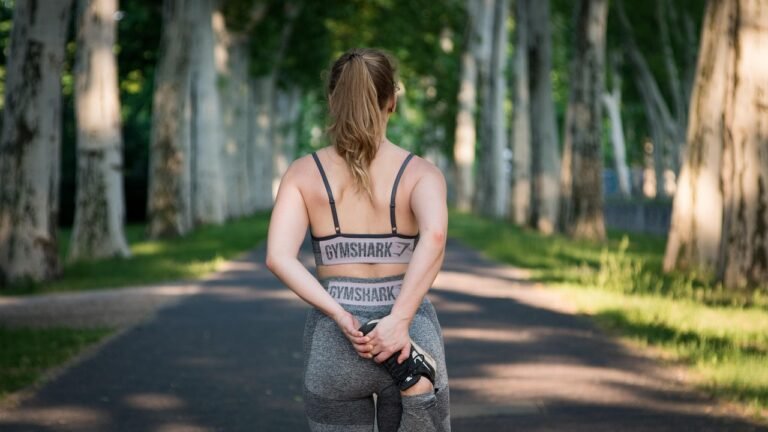
Building a stronger, healthier body doesn’t require hours in the gym or complicated workout programs.
Real fitness is built on simple daily habits that keep your muscles active, your heart strong, and your mind sharp.
Whether you’re a beginner or restarting your fitness journey, small consistent actions make the biggest difference.
According to the National Institutes of Health,
regular physical activity improves longevity, reduces disease risk, strengthens muscles, and boosts overall well-being.
These science-backed fitness tips will help you create daily habits that support a stronger, healthier life.
Start With Simple Movement Every Day
Movement is the foundation of fitness.
You don’t need long workouts—just enough daily activity to wake up your muscles, improve circulation, and increase energy.
Easy Movement Ideas
- Take a 10-minute walk.
- Do a short stretching routine.
- Use the stairs instead of the elevator.
- Practice simple mobility drills for hips and shoulders.
For a more dynamic workout, explore:
Killer Workout: Inner Athlete.
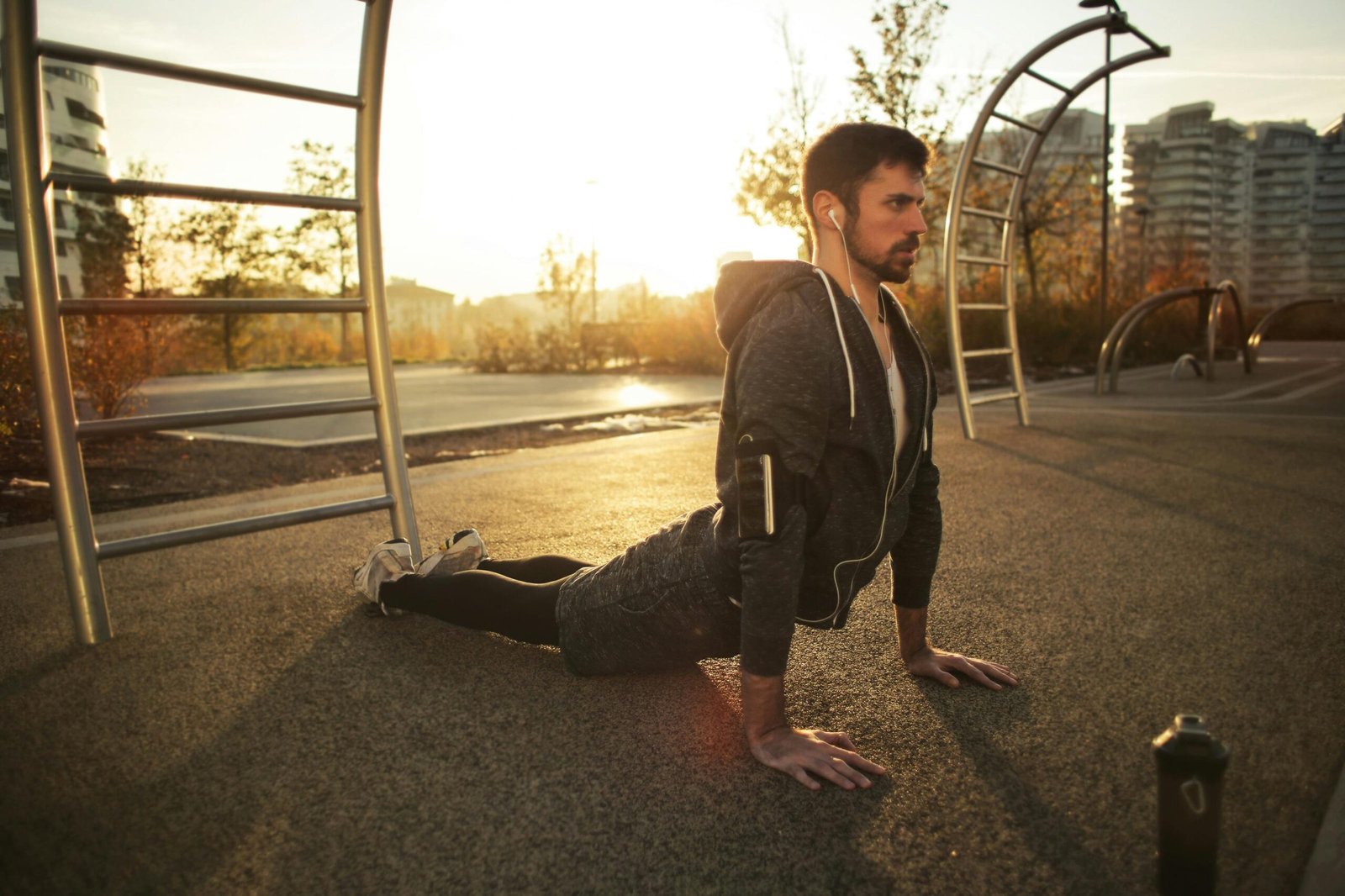
Incorporate Strength Training
Strength training builds muscle, supports metabolism, improves posture, and increases long-term health.
You don’t need heavy weights—your bodyweight is enough to start.
Beginner-Friendly Strength Exercises
- Squats
- Push-ups (or knee push-ups)
- Lunges
- Planks
- Glute bridges
Start with 2–3 days per week and progress gradually.
Focus on Form, Not Speed
Proper form prevents injuries and ensures you’re targeting the right muscles.
Slow, controlled movements engage your muscles more effectively than fast, sloppy reps.
Tips for Better Form
- Keep your core tight.
- Move through a full range of motion.
- Avoid locking your joints.
- Watch tutorials from trusted fitness professionals.
Mix Cardio and Strength for Balanced Fitness
Combining cardio and strength training helps improve endurance, burn calories, and support heart health.
A balanced routine ensures your body stays strong, flexible, and well-conditioned.
Simple Combination Plan
- 3 days: Strength training
- 2 days: Cardio (walking, cycling, jogging)
- 2 days: Light movement + stretching
Warm Up Before Every Workout
Warming up improves blood flow, activates your muscles, and reduces injury risk.
Never start a workout with cold muscles.
5-Minute Warm-Up Ideas
- Arm circles
- Leg swings
- Marching in place
- Light jogging
Cool Down to Improve Recovery
Cooling down helps reduce soreness, improve flexibility, and bring your heart rate back to normal.

Quick Cool-Down Ideas
- Deep breathing
- Light stretching
- Slow walk
Take Breaks Throughout the Day
Sitting for long hours weakens muscles and slows your metabolism.
Short breaks improve circulation and help your body stay active.
Try This Every Hour
- Stand for 2 minutes.
- Do 10 squats or stretches.
- Take a quick walk if possible.
Stay Hydrated
Water supports your muscles, joints, digestion, and overall energy levels.
Dehydration makes workouts harder and slows recovery.
Hydration Tips
- Drink water throughout the day.
- Add lemon or mint for extra freshness.
- Avoid sugary sports drinks unless doing intense training.
For more hydration-focused wellness, explore:
Unlock Inner Zen: Mindful Moments.
Fuel Your Body With Smart Nutrition
Your body needs quality fuel to support workouts, recovery, and overall performance.
What you eat has a direct impact on your fitness results.
Pre-Workout Meal Ideas
- Banana + peanut butter
- Greek yogurt with honey
- Oatmeal with berries
Post-Workout Meal Ideas
- Protein smoothie
- Chicken with rice and vegetables
- Eggs with whole grain toast
For deeper nutrition guidance, check:
Fuel Your Body Right.
Get Enough Sleep Every Night
Sleep is where recovery happens.
Your muscles repair, your hormones balance, and your body resets.
According to the Sleep Foundation,
adults need 7–9 hours nightly for fitness and health.
Sleep Tips for Better Recovery
- Avoid screens 45 minutes before bed.
- Keep your room dark and cool.
- Stretch lightly before sleeping.
Listen to Your Body
Your body gives signals when it’s tired, stressed, or overloaded.
Pushing too hard can lead to injuries, fatigue, and burnout.
Balanced fitness requires recovery, rest, and proper pacing.
Signs You Need a Break
- Constant soreness
- Low motivation
- Poor sleep
- Stalled progress
Track Your Progress
Tracking your workouts helps you stay motivated and consistent.
It also shows how far you’ve come, even when the changes feel slow.
Ways to Track Your Fitness
- Use a fitness app
- Write workouts in a notebook
- Track steps or activity minutes
- Log strength improvements
For a fitness motivation guide, explore:
Real Talk Guide to Fitness Motivation.
Stay Consistent, Even on Busy Days
The secret to long-term fitness is consistency—not perfection.
Doing something small every day is better than doing nothing because you’re “too busy.”
Small Daily Fitness Wins
- 2 minutes of stretching
- 10 push-ups
- A quick walk
- Deep breathing for recovery
Final Thoughts
A stronger, healthier body is built through simple daily fitness habits.
Move your body, build strength, stay hydrated, eat well, sleep enough, and stay consistent.
Small choices add up—fast.
Fitness becomes easier when it becomes part of your lifestyle, not a chore.