Healthy eating isn’t about strict rules, extreme diets, or eliminating everything you enjoy.
Real nutrition is built on simple, sustainable habits that support your health for the long run.
When your eating habits are easy to follow, enjoyable, and realistic, they become a permanent part of your lifestyle—not a temporary plan.
According to the National Institutes of Health,
long-term nutrition success comes from gradual changes that fit naturally into your daily routine.
This article reveals practical, science-backed strategies to help you build healthy eating habits that actually last.
Start With Small, Realistic Changes
One of the biggest reasons people fail to maintain healthy eating is that they try to change too much too quickly.
Sustainable habits begin with small steps you can keep up with—even on busy days.
Examples of Small Daily Nutrition Wins
- Drink a full glass of water after waking up.
- Add one extra serving of vegetables to your day.
- Replace soda with sparkling water or tea.
- Swap white bread for whole grain.
For more practical healthy choices, explore:
Fuel Your Body Right.
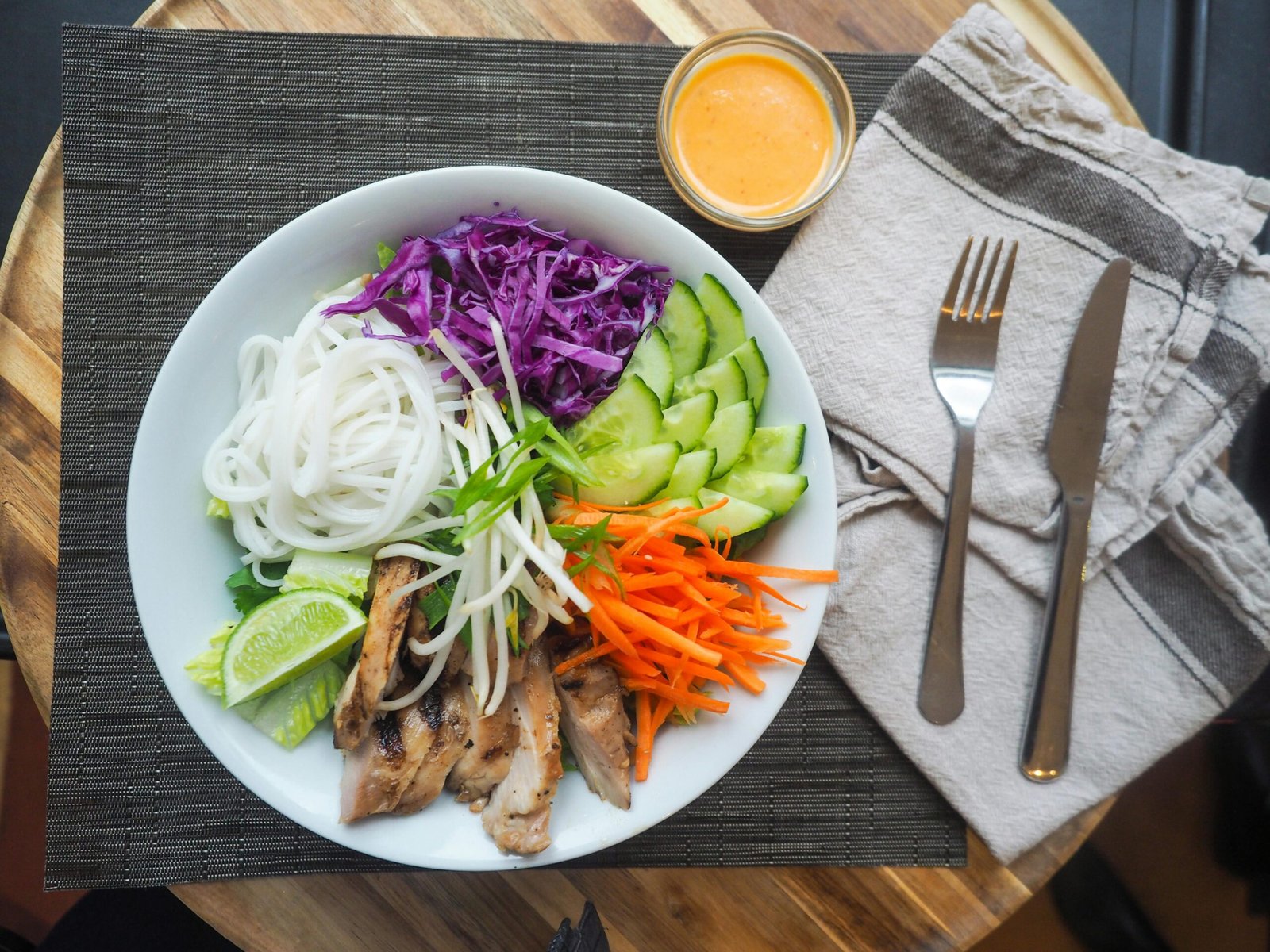
Eat More Whole, Natural Foods
Whole foods provide your body with vitamins, minerals, antioxidants, and fiber that processed foods lack.
They help improve digestion, energy, and overall health.
Whole Food Examples
- Fresh fruits and vegetables
- Whole grains like oats, quinoa, and brown rice
- Lean proteins such as fish, chicken, eggs, and beans
- Healthy fats from nuts, seeds, and avocados
Focusing on whole foods strengthens your body and supports long-term health without restrictive dieting.
Build Balanced Plates Using Simple Visual Rules
A balanced plate helps stabilize blood sugar, maintain energy levels, and prevent overeating.
You don’t need to count calories—just follow a simple visual guide.
The Easy Plate Formula
- 50% vegetables
- 25% lean protein
- 25% whole grains or healthy carbs
This structure helps you eat balanced, nutritious meals without tracking or measuring.
Understand Your Hunger Signals
Many people eat out of stress, boredom, or habit—not true hunger.
Learning how to interpret your body’s signals helps you avoid overeating and choose food intentionally.
Signs of True Hunger
- Stomach growling
- Low energy
- Difficulty concentrating
Signs of Emotional Hunger
- Sudden cravings
- Stress eating
- Wanting specific comfort foods
Before eating, ask yourself: “Am I physically hungry or emotionally hungry?”
Slow Down While Eating
Eating slowly helps you feel full sooner, improves digestion, and reduces overeating.
Your brain needs about 20 minutes to recognize fullness—fast eating bypasses this signal.
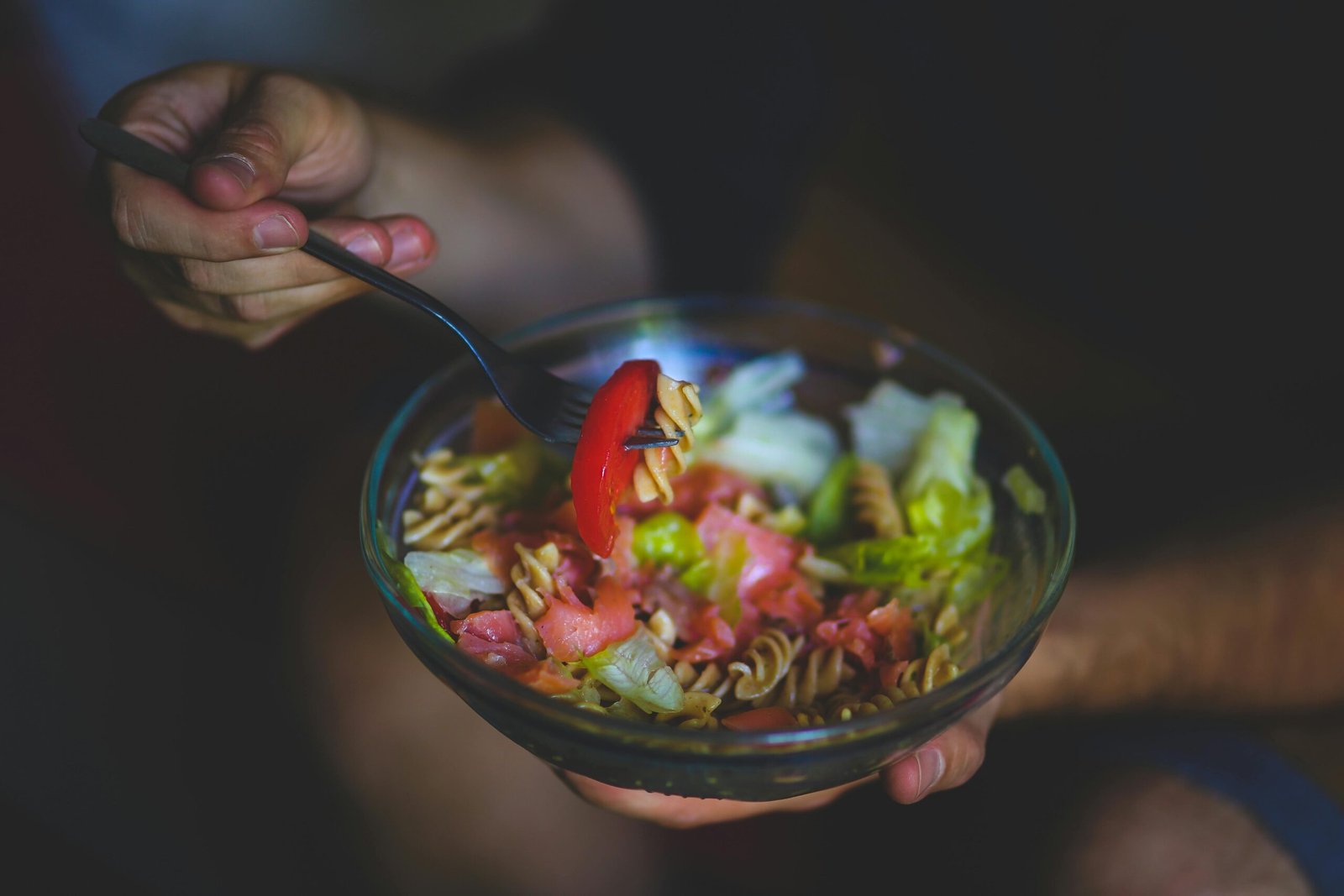
Mindful Eating Tips
- Chew slowly and thoroughly.
- Put your fork down between bites.
- Avoid screens while eating.
- Focus on taste, texture, and enjoyment.
For a deeper guide on mindful living, explore:
Unlock Inner Zen: Mindful Moments.
Choose Smart Snacks
Smart snacks help you stay energized and prevent overeating later.
Choosing nutritious snacks stabilizes your blood sugar and supports brain function.
Healthy Snack Ideas
- Greek yogurt with fruit
- Nuts and seeds
- Carrot sticks with hummus
- Dark chocolate (70%+)
- Apple slices with peanut butter
Stay Hydrated Consistently
Hydration affects your metabolism, digestion, mood, and energy levels.
Mild dehydration can lead to tiredness, cravings, and headaches.
Hydration Tips
- Drink water first thing in the morning.
- Carry a reusable water bottle.
- Add lemon, mint, or cucumber for flavor.
- Limit sugary drinks and sodas.
Create an Eating Schedule That Supports Your Lifestyle
You don’t need to follow strict meal timing, but having a general eating rhythm helps maintain energy and prevent overeating.
Simple Eating Schedules
- 3 balanced meals + 1–2 snacks
- Breakfast within 2 hours of waking
- Lunch midday to maintain energy
- Dinner at least 2–3 hours before bed
Prep Simple Meals Ahead of Time
Meal prep doesn’t have to be complicated.
Even preparing a few basics makes it easier to choose healthy meals during busy days.
Easy Meal Prep Ideas
- Cook a large batch of rice or quinoa.
- Wash and chop vegetables for the week.
- Prepare proteins like chicken or beans in advance.
- Pack snacks in small containers.
Reduce Processed Foods Gradually
You don’t need to eliminate processed foods completely—but reducing them makes a huge difference in your energy, digestion, and long-term health.
Simple Swaps
- Whole grain bread instead of white bread
- Fresh fruit instead of candy
- Natural peanut butter instead of sugary spreads
- Homemade meals instead of takeout
Prioritize Protein in Every Meal
Protein keeps you full longer, stabilizes blood sugar, supports muscle growth, and improves metabolism.
Easy Protein Sources
- Eggs
- Fish
- Chicken
- Beans and lentils
- Greek yogurt
Learn to Read Ingredient Labels
You don’t need to count every calorie—but you should understand what’s in your food.
Things to Watch For
- Added sugars
- Artificial ingredients
- Hydrogenated oils
- Very long ingredient lists
Allow Yourself Flexibility
Healthy eating is not about perfection.
Allowing occasional treats helps you stay consistent long-term and prevents binge eating.
Flexible Eating Tips
- Follow an 80/20 rule: 80% whole foods, 20% flexible eating.
- Don’t punish yourself for enjoying a treat.
- Get back on track at your next meal.
Final Thoughts
Healthy eating habits that last are built on consistency—not restriction.
Start small, choose whole foods, stay hydrated, plan ahead, and stay flexible.
These simple habits create long-term transformation for your body, mind, and energy levels.
Your nutrition journey doesn’t have to be perfect—just sustainable.
Trusted External References
- NIH – Nutrition Research
- Healthline – Nutrition Guides
- PubMed – Diet & Health Studies
- Harvard Nutrition Source