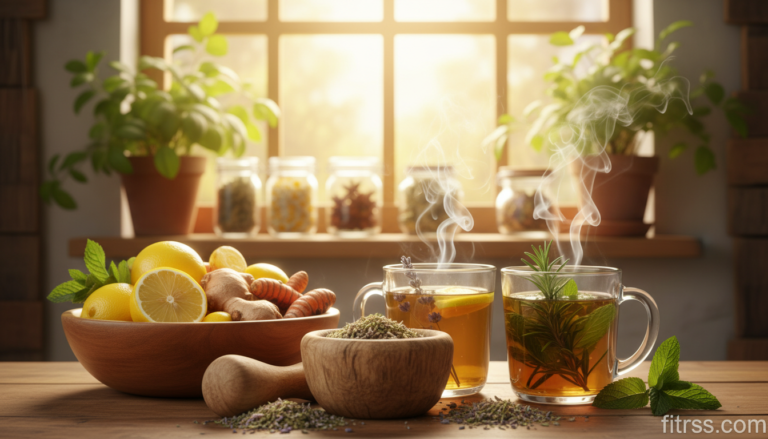
Your immune system is your body’s first line of defense against infections, viruses, inflammation, and everyday stress.
And while many people rely on supplements or medications, the most powerful immunity boosters often come from natural,
science-backed habits that strengthen the body from within.
This guide explores the best natural strategies—supported by research—to keep your immune system strong year-round.
According to the National Institutes of Health,
immunity is influenced by multiple factors including diet, sleep, stress levels, and movement.
By improving these areas, you can significantly enhance your body’s natural defense system.
Why Strengthening Your Immune System Naturally Matters
A strong immune system doesn’t just prevent illness—it helps the body recover faster, reduces inflammation,
improves energy, stabilizes mood, and supports long-term wellness. Natural immunity support focuses on building
resilience through lifestyle, rather than depending on quick fixes or harsh overmedication.

Benefits of Natural Immunity Support
- Better resistance against infections.
- Reduced inflammation and oxidative stress.
- Improved gut health and digestion.
- Stable daily energy and mental clarity.
- Better sleep and reduced fatigue.
- Faster recovery from sickness.
Eat Foods That Strengthen Immunity
Nutrition is the foundation of a strong immune system. Antioxidants, vitamins, and minerals found in whole foods
help protect your cells and support immune responses. Studies published in the
PubMed database show that natural foods outperform supplements
in improving long-term immune health.
Powerful Immunity-Boosting Foods
- Citrus fruits: Rich in vitamin C, a key immune supporter.
- Garlic: Contains compounds that fight viruses and bacteria.
- Ginger: Anti-inflammatory and supports digestion.
- Berries: Packed with antioxidants.
- Leafy greens: High in immune-boosting vitamins and minerals.
- Turmeric: Contains curcumin, which reduces inflammation.
For a deeper nutrition guide, explore this internal article:
Fuel Your Body Right.
Prioritize Quality Sleep
Sleep is one of the most important factors in immune strength. During deep sleep, the body repairs tissues,
produces infection-fighting proteins, and regulates hormones responsible for immunity.
According to the Sleep Foundation,
people who sleep less than 7 hours a night are significantly more prone to infections.
Natural Ways to Improve Sleep
- Turn off screens at least 1 hour before bed.
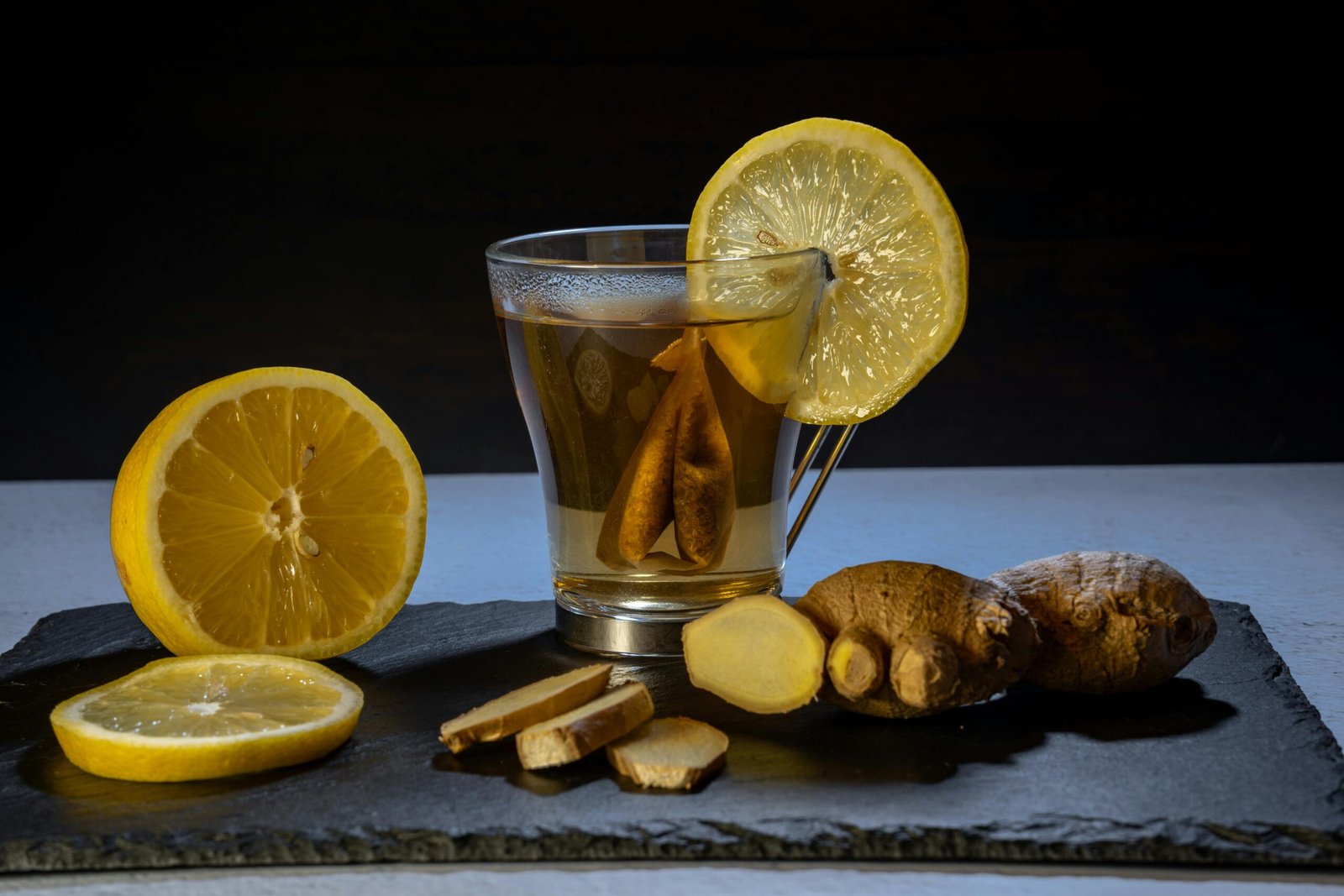
- Drink calming herbal tea such as chamomile or lavender.
- Keep your room dark and cool.
- Follow a consistent sleep schedule.
- Practice slow breathing before bed.
Stay Hydrated Throughout the Day
Water plays a major role in immune health. Hydration helps transport nutrients, flush toxins,
and keep your body’s defense system functioning well. Even mild dehydration increases stress hormones
like cortisol, which weakens immunity.
Hydration Tips for Immune Support
- Start your morning with a glass of water.
- Add lemon for extra vitamin C and antioxidants.
- Drink herbal teas during the day.
- Track your water intake if you often forget to hydrate.
Reduce Stress Naturally
Chronic stress suppresses your immune system and increases inflammation.
This makes your body more vulnerable to illness, fatigue, and hormonal imbalance.
Natural stress-relief techniques are essential for restoring immune strength.
Natural Stress-Relief Practices
- Deep breathing exercises.
- Meditation or mindful moments.
- Exposure to nature.
- Listening to relaxing music.
- Daily light movement or stretching.
To improve stress resilience, explore this guide:
Vagus Nerve Reset.

Move Your Body Daily
Exercise boosts the immune system by increasing circulation, improving lymphatic drainage,
reducing inflammation, and lowering stress. You don’t need intense workouts—consistent, moderate activity
is the most effective.
Immune-Supporting Exercises
- Brisk walking
- Yoga or stretching
- Bodyweight exercises
- Light cardio
- Breathing-focused mobility routines
For a full workout plan, check this internal link:
Killer Workout: Inner Athlete Routine.
Improve Gut Health Naturally
More than 70% of your immune system lives in your gut. A healthy digestive system supports nutrient absorption,
reduces inflammation, and improves immune cell function. Natural foods and habits can dramatically improve gut health.
Natural Ways to Enhance Gut Health
- Eat fermented foods (yogurt, kimchi, sauerkraut).
- Increase fiber intake.
- Avoid processed foods.
- Drink warm water in the morning.
- Eat slowly to improve digestion.
Get Sunlight and Vitamin D Naturally
Vitamin D is essential for immune function, and natural sunlight is the best way to get it.
According to research from the Harvard School of Public Health,
low vitamin D levels are linked to weaker immunity and higher infection risk.
Healthy Sunlight Practices
- Spend 10–20 minutes outdoors daily.
- Expose arms and face for natural vitamin D synthesis.
- Walk outdoors during morning sunlight.
Include Healing Herbs and Spices
Certain herbs and spices have natural antibacterial, antiviral, and anti-inflammatory properties.
Adding them to your meals or tea rituals can significantly support immunity.
Powerful Natural Herbs for Immunity
- Garlic
- Turmeric
- Oregano
- Elderberry
- Ginger
- Thyme
Get Quality Rest and Recovery
The body needs rest to repair tissues, regulate inflammation, and produce immune cells.
Overworking yourself or sleeping too little weakens your defense system.
Natural recovery rituals help maintain balance and prevent burnout.
Natural Recovery Habits
- Slow stretching at night.
- Warm baths with natural salts.
- Mindful breathing sessions.
- Journaling for mental clarity.
- Reducing caffeine late in the day.
Final Thoughts
Supporting your immune system naturally is one of the most powerful ways to strengthen your overall health.
By focusing on nutrition, stress reduction, movement, sleep, hydration, sunlight, and natural herbs,
you build a resilient body capable of protecting itself.
Small daily habits become long-term wellness—consistency is the real secret.
Trusted External References