Good nutrition doesn’t need to be complicated.
You don’t need extreme diets, strict meal plans, or expensive “superfoods” to feel healthier.
Small, realistic changes to the way you eat can dramatically improve your energy, mood, digestion,
and overall well-being—often within just a few days.
According to the National Institutes of Health,
balanced nutrition plays a major role in disease prevention, immune strength, mental clarity, and long-term health.
This guide breaks down simple, science-backed nutrition tips that can create fast, meaningful improvements in your daily life.
Start With Whole, Real Foods
Whole foods are foods that come from nature—not highly processed factories.
They contain more nutrients, fewer chemicals, and support your body far better than fast food or packaged snacks.
Examples of Whole Foods
- Fresh fruits (berries, apples, bananas)
- Vegetables (broccoli, spinach, carrots)
- Whole grains (brown rice, oats, quinoa)
- Lean proteins (fish, chicken, eggs, beans)
- Healthy fats (avocado, nuts, olive oil)
For more guidance on smart food choices, explore:
Fuel Your Body Right.
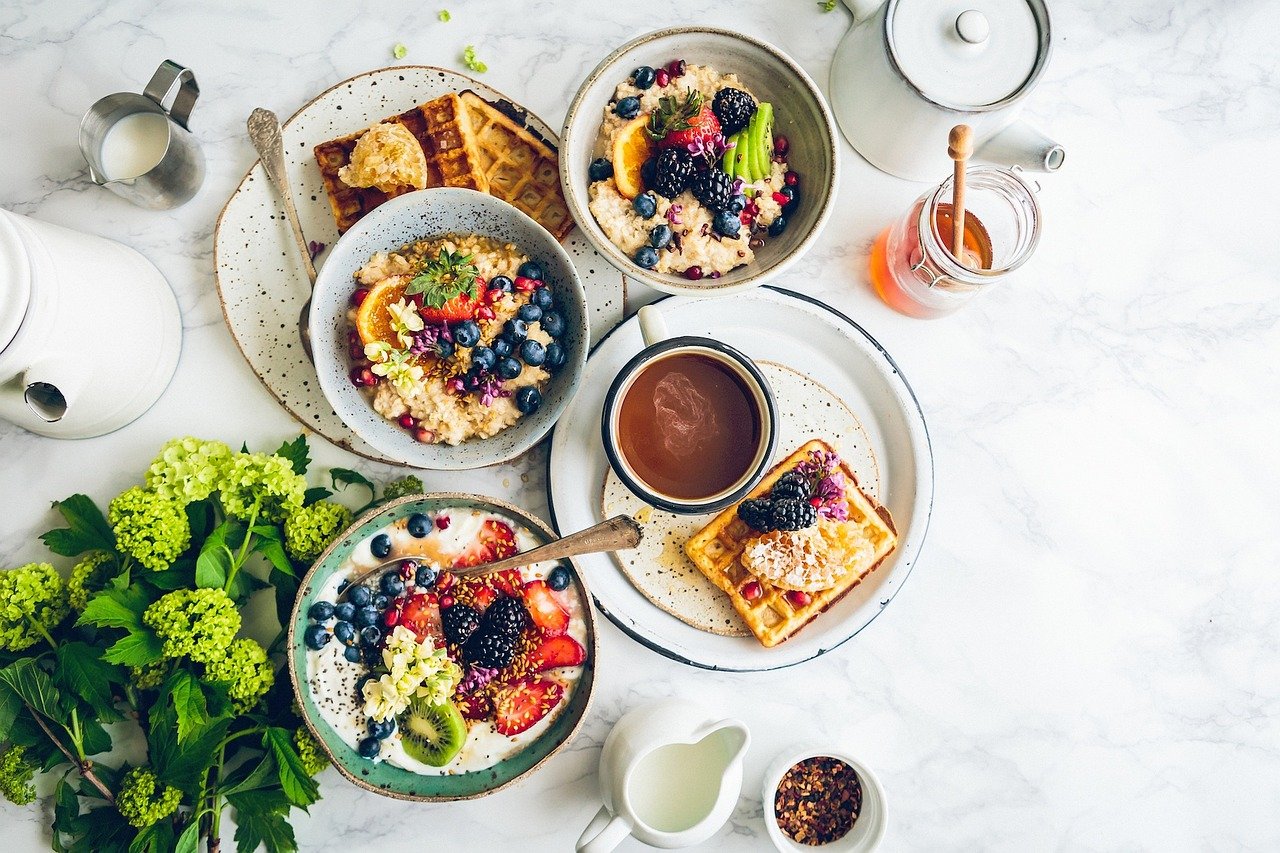
Eat the Rainbow Every Day
Each color in fruits and vegetables provides different vitamins, minerals, and antioxidants.
Eating a variety ensures your body receives a broader range of nutrients.
What Each Color Supports
- Red foods: heart health (tomatoes, strawberries)
- Orange/yellow foods: skin + immune strength (carrots, oranges)
- Green foods: digestion + energy (spinach, broccoli)
- Blue/purple foods: aging + memory support (blueberries, plums)
- White foods: immunity + bone health (garlic, onions)
Balance Your Plate With the 50/25/25 Rule
A simple formula for balanced meals:
- 50% vegetables
- 25% lean protein
- 25% whole grains or healthy carbs
This helps stabilize blood sugar, improves energy levels, and supports weight balance naturally.
Stay Hydrated With Smarter Choices
Hydration affects your digestion, mood, brain function, and metabolism.
Most adults are mildly dehydrated without realizing it.
Better Hydration Tips
- Start your day with a full glass of water.
- Add lemon or cucumber for flavor and minerals.
- Drink regularly—not only when thirsty.
- Avoid sugary drinks that spike blood sugar.
For more hydration-focused wellness tips, check:
Unlock Inner Zen: Mindful Moments.

Choose Healthy Snacks Instead of Processed Ones
Snack cravings are normal—but choosing the right snacks keeps your energy stable and prevents overeating.
Healthy Snack Ideas
- Greek yogurt with honey
- Fruit and nut mix
- Carrot sticks with hummus
- A handful of almonds
- Dark chocolate (70%+)
Don’t Skip Meals
Skipping meals leads to energy crashes, overeating, and slow metabolism.
Your body needs regular fuel to function properly.
Instead, Try This:
- Eat smaller, balanced meals throughout the day.
- Keep healthy snacks nearby.
- Follow a consistent eating schedule.
Reduce Processed Sugar
Too much sugar spikes your blood glucose, increases cravings, affects mood, and contributes to long-term health issues.
Easy Ways to Cut Down on Sugar
- Choose whole fruits instead of juice.
- Replace sweetened yogurt with natural yogurt.
- Swap sugary snacks for nuts or dark chocolate.
- Use honey or dates instead of white sugar.
Eat More Fiber
Fiber supports digestion, reduces bloating, nourishes gut bacteria, and helps you stay full longer.
Most people only eat half the recommended daily amount.
Good Sources of Fiber
- Oats
- Chia and flax seeds
- Apples, pears, berries
- Beans, lentils
- Leafy greens
Prioritize Healthy Fats
Healthy fats support brain function, hormone balance, and long-lasting energy.
They also help your body absorb important vitamins like A, D, E, and K.
Healthy Fat Options
- Avocado
- Olive oil
- Walnuts and almonds
- Fatty fish like salmon
Practice Mindful Eating
Mindful eating means slowing down, paying attention to flavors, and noticing when you’re hungry or full.
This helps prevent overeating and improves digestion.
Mindful Eating Tips
- Eat slowly and chew properly.
- Turn off screens while eating.
- Put down your fork between bites.
- Stop eating when you’re comfortably full.
Plan Your Meals Ahead
Planning your meals saves time, reduces stress, and helps you avoid unhealthy takeout choices.
Easy Meal Planning Ideas
- Cook a large batch of rice or quinoa for the week.
- Prepare pre-cut vegetables for quick meals.
- Choose 2–3 simple recipes to repeat weekly.
- Pack snacks in advance for busy days.
Understand Portion Sizes
You don’t need to count calories to eat well—just understand what reasonable portions look like.
Simple Portion Guide
- Protein: size of your palm
- Carbs: size of your cupped hand
- Fats: size of your thumb
- Veggies: two full hands
Eat Consistently, Not Perfectly
Nutrition is not about perfection—it’s about daily consistency.
Small, sustainable habits always beat strict, temporary diets.
Focus on Progress, Not Perfection
- Improve one meal at a time.
- Choose whole foods more often.
- Stay hydrated throughout the day.
- Add one new healthy habit each week.
Final Thoughts
Eating well doesn’t have to be difficult.
By focusing on whole foods, balanced meals, hydration, healthy snacks, and mindful eating,
you give your body and mind everything they need to thrive.
Small nutrition changes can improve your mood, energy, digestion, and overall health—fast.
Start simple, stay consistent, and watch your life transform.