The Science Behind Weight Loss: What Really Works
Successful weight loss is more than calories in versus calories out. Modern research shows that your metabolism,
hormones, gut health, stress levels, sleep quality, and activity patterns all play a crucial role in how your body
burns, stores, and regulates energy. While diet trends rise and fade, the biological principles behind sustainable
weight loss remain consistent—and understanding them can dramatically improve your long-term results.
This guide breaks down the real science of weight loss in a clear and practical way, using evidence from the
CDC,
Harvard Nutrition Source,
and the NIH.
If you’ve struggled with dieting, stalled progress, or confusing fitness advice, these principles will help you see
what truly moves the needle.

Your Metabolism: The Engine of Weight Loss
Metabolism refers to the chemical processes your body uses to turn food into energy.
But contrary to popular belief, your metabolic rate isn’t fixed. It adapts based on diet, activity, muscle mass,
stress, and even sleep. When you drastically reduce calories, your metabolism slows to conserve energy—a survival response
known as adaptive thermogenesis.
What Increases Metabolism?
- Muscle mass: More muscle increases daily calorie burn—even at rest.
- Non-exercise activity (NEAT): Light movement during the day contributes significantly to calorie burn.
- Consistent meals: Eating balanced, protein-rich meals supports metabolic stability.
- Proper sleep: Sleep regulates hormones that control hunger and energy expenditure.
For deeper practical guidance on boosting metabolism, you can explore structured routines like:
Killer Workout: Inner Athlete Routine.
The Hormones That Control Weight Loss
Hormones act as your body’s communication network. When they’re imbalanced, losing weight becomes significantly harder—no matter how much you diet or exercise.
Key Hormones That Influence Fat Loss
- Leptin: Signals fullness. Low levels lead to overeating.
- Ghrelin: The hunger hormone, which increases when you restrict calories too much.
- Cortisol: Elevated during stress—promotes fat storage, especially around the abdomen.
- Insulin: Regulates blood sugar; imbalances make fat burning more difficult.
Supporting hormonal balance requires consistent sleep, quality nutrition, strength training, and stress regulation.
Why Crash Diets Don’t Work
Severe calorie restriction (like eating under 1,000 calories daily) causes short-term weight loss but long-term metabolic damage.
The body interprets extreme dieting as danger and slows energy expenditure while increasing hunger signals.
This is why weight lost through crash diets often returns—and usually more than before.
Research from the Harvard School of Public Health
continues to emphasize that slow, consistent fat loss is far more sustainable and healthier than rapid weight drops.

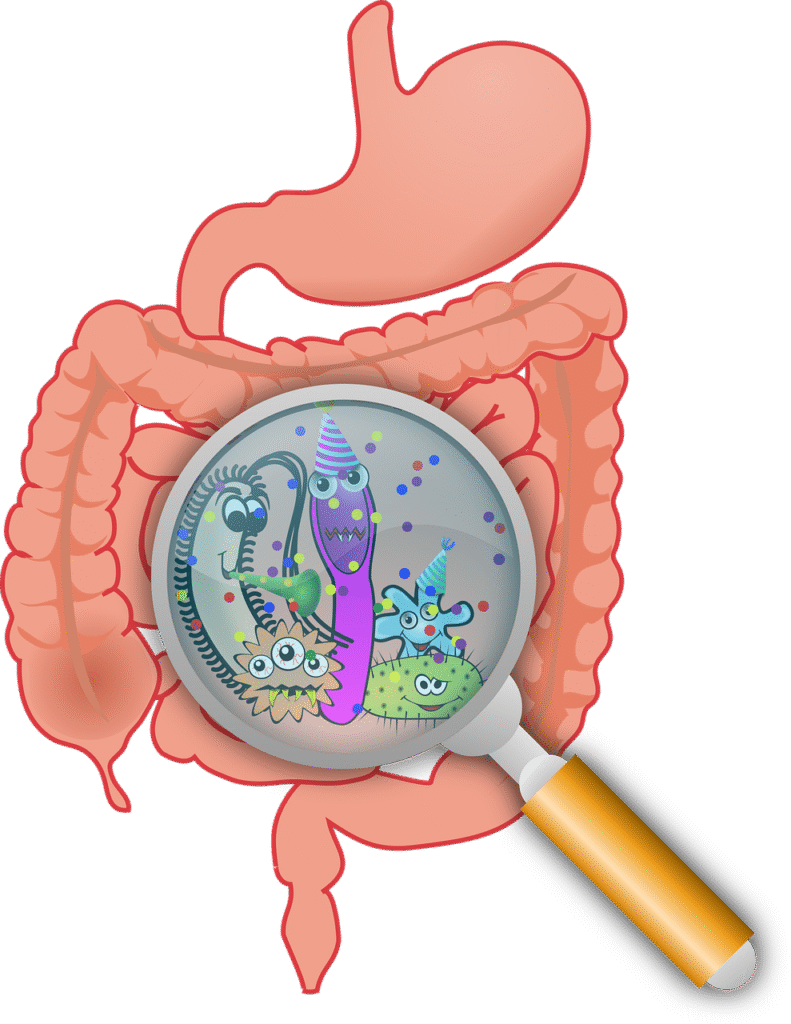
The Role of Gut Health in Weight Loss
Your gut contains trillions of microorganisms that help regulate digestion, immunity, inflammation, and even metabolism.
A healthy gut microbiome improves nutrient absorption and supports fat metabolism, while poor gut health increases inflammation
and raises the likelihood of weight gain.
Foods That Support Gut Health
- Fermented foods: yogurt, kefir, kimchi, sauerkraut.
- Fiber-rich foods: vegetables, legumes, oats, berries.
- Healthy fats: olive oil, avocado, nuts.
- Whole grains: quinoa, barley, brown rice.
Sleep: The Most Underrated Weight-Loss Tool
Sleep affects nearly every process related to fat loss. Poor sleep increases ghrelin (hunger), decreases leptin (fullness),
and elevates cortisol (stress), all of which directly slow fat burning and increase cravings.
How to Improve Sleep for Better Weight Loss
- Maintain a consistent sleep schedule.
- Avoid screens 1 hour before bed.
- Keep your room cool and dark.
- Reduce caffeine and heavy meals late at night.
For a guide on lowering stress and improving recovery, explore:
Vagus Nerve Reset.
The Power of Strength Training
Strength training builds muscle, boosts metabolic rate, stabilizes blood sugar, and increases long-term fat burning.
Unlike cardio, which burns calories only during the activity, strength training increases energy expenditure for hours
after the workout—thanks to a process called EPOC (Excess Post-Exercise Oxygen Consumption).
Best Weekly Strength Training Routine
- 3–4 full-body sessions per week.
- Include compound exercises like squats, presses, rows, and deadlifts.
- Increase weights gradually to encourage muscle adaptation.
- Mix in bodyweight exercises for flexibility and mobility.
Putting It All Together
Lasting weight loss requires a multidimensional approach: balanced nutrition, smart training,
quality sleep, stress regulation, optimized hormones, and a healthy lifestyle rhythm.
Extreme dieting may create quick drops on the scale, but only science-based habits
build the foundation for long-term health.
Trusted Research Sources