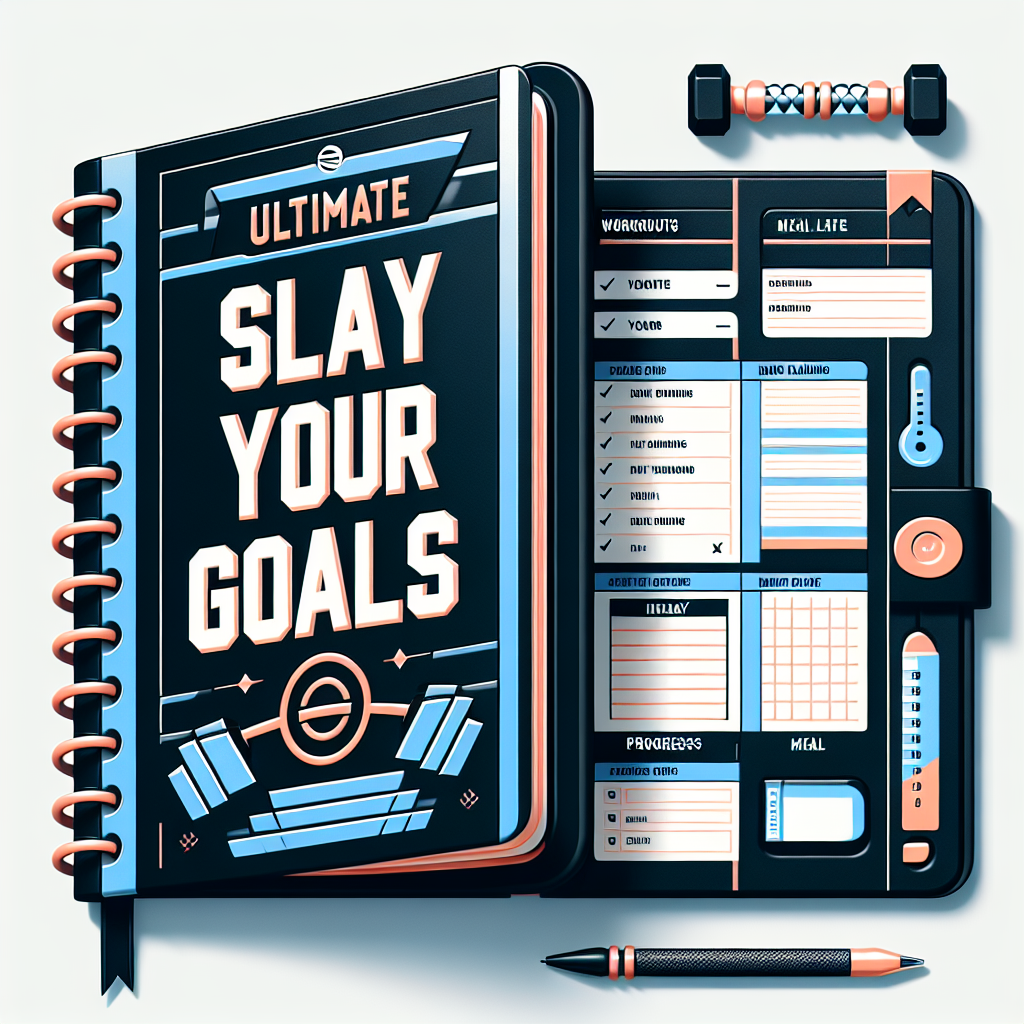

Meta Description: Unleash your full potential with the ultimate fitness planner. Discover how strategic planning can transform your health and achieve your goals faster.
Unlocking Your Potential with a Strategic Fitness Planner
Embarking on a fitness journey can feel overwhelming, but with the right tools, it becomes an exciting path to success. A well-designed fitness planner is more than just a notebook; it’s your personal blueprint for achieving your health and wellness goals. This essential tool helps you organize your workouts, track your nutrition, and monitor your progress, turning aspirations into tangible results. By integrating a fitness planner into your daily routine, you create a clear roadmap, reduce guesswork, and stay motivated on even the toughest days. It’s time to stop just wishing for results and start planning for them.
Why a Fitness Planner is Your Ultimate Game Changer
Many people start their fitness journeys with enthusiasm, only to lose momentum due to a lack of structure and accountability. This is where a dedicated fitness planner truly shines. It provides the framework needed to stay consistent and focused, transforming vague intentions into concrete action steps. Think of it as your personal trainer, nutritionist, and accountability partner, all rolled into one powerful tool.
Setting Clear, Attainable Goals
One of the biggest hurdles in fitness is setting unrealistic goals or not having any at all. A fitness planner forces you to define what you want to achieve, whether it’s running a marathon, lifting a certain weight, or simply improving your overall energy levels.
Defining SMART Goals
Using the SMART framework (Specific, Measurable, Achievable, Relevant, Time-bound) is crucial.
– Specific: “I want to run a 5k race.”
– Measurable: “I will improve my mile time by 30 seconds each month.”
– Achievable: “I will train 3 times a week, gradually increasing distance.”
– Relevant: “This goal aligns with my desire for better cardiovascular health.”
– Time-bound: “I will complete the 5k in under 30 minutes by next quarter.”
A good fitness planner will have sections dedicated to goal setting, allowing you to break down large ambitions into smaller, manageable milestones. This process alone can significantly boost your chances of success.
Tracking Progress and Celebrating Wins
Without tracking, it’s hard to see how far you’ve come. A fitness planner provides a consistent way to log your workouts, reps, sets, weights, and even how you felt during exercise. This data is invaluable for understanding what works for your body and what needs adjustment.
Visualizing Your Journey
Seeing your progress visually can be incredibly motivating.
– Log your daily food intake to identify nutritional patterns.
– Record your strength gains, noting increases in weights lifted or reps completed.
– Track your cardio performance, observing improvements in speed or endurance.
– Document changes in your body measurements or weight over time.
A fitness planner helps you not only track the numbers but also reflect on your journey. It allows you to celebrate every small victory, reinforcing positive habits and keeping your spirits high. For more inspiring success stories, visit our main page.
Fostering Consistency and Accountability
Consistency is the bedrock of any successful fitness regimen. Life happens, and it’s easy to skip a workout or make poor food choices when there’s no immediate consequence. A fitness planner acts as your commitment device.
Building a Routine
– Schedule your workouts like important appointments you can’t miss.
– Plan your meals in advance to avoid last-minute unhealthy options.
– Use your planner to reflect on missed sessions and identify triggers or solutions.
When you write down your intentions, you’re far more likely to follow through. The act of checking off completed tasks in your fitness planner provides a sense of accomplishment and builds momentum for the next day. It makes accountability a personal commitment rather than an external pressure.
Choosing the Perfect Fitness Planner for Your Needs
Just as there isn’t a one-size-fits-all workout, there isn’t a single perfect fitness planner for everyone. The best planner for you will depend on your specific goals, preferences, and lifestyle. Taking the time to select the right one can make all the difference in your long-term adherence and enjoyment.
Digital vs. Physical Planners
The first big decision is whether you prefer a digital app or a traditional paper planner. Both have distinct advantages.
The Appeal of Physical Planners
– Tangible experience: Many enjoy the act of writing things down.
– Less distraction: No notifications pulling you away from your planning.
– Visual clarity: Easy to see your entire week or month at a glance without scrolling.
– No battery life concerns: Always ready when you are.
Physical planners are great for those who like to disconnect from screens and engage with their goals in a more tactile way.
The Benefits of Digital Planners/Apps
– Portability: Your planner is always with you on your phone or tablet.
– Automation: Many apps offer features like workout logging, calorie counting, and progress charts automatically.
– Customization: Often highly customizable with various templates and tracking options.
– Reminders: Set alerts for workouts, meal times, or hydration.
Digital options offer convenience and advanced features that can streamline your tracking process. Consider your daily habits and which format will integrate most seamlessly. Read more here about integrating technology into your fitness routine.
Key Features to Look For
Regardless of format, certain features make a fitness planner truly effective. Prioritize these when making your selection.
Goal Setting Sections
– Dedicated pages for annual, quarterly, and monthly goal setting.
– Space to break down big goals into smaller, actionable steps.
Workout Tracking Logs
– Ample space for logging exercises, sets, reps, weights, and rest times.
– Areas to note perceived exertion or special comments about the workout.
Nutrition and Hydration Trackers
– Sections for meal planning and daily food intake logs.
– Water intake trackers to ensure you stay properly hydrated.
Progress Measurement Tools
– Body measurement charts.
– Weight tracking graphs.
– Before and after photo spaces (if digital).
Reflection and Review Sections
– Weekly or monthly check-ins to review progress and adjust plans.
– Journaling prompts to reflect on challenges and successes.
Choose a planner that aligns with your primary fitness focus, whether it’s weight loss, muscle gain, endurance training, or overall well-being.
Designing Your Effective Workout and Meal Plan with a Fitness Planner
Once you’ve selected your ideal fitness planner, the next step is to put it to use effectively. This involves more than just jotting down random exercises; it requires thoughtful planning of both your physical activity and your nutritional intake. These two elements are intrinsically linked, and optimizing both in your fitness planner will accelerate your results.
Crafting Your Workout Schedule
A well-structured workout plan prevents aimless gym sessions and ensures you’re progressively challenging your body. Your fitness planner is the perfect place to map this out.
Weekly Workout Layout
– Dedicate specific days to different muscle groups (e.g., Monday: Chest & Triceps, Tuesday: Legs).
– Integrate rest days as essential components of your recovery.
– Include warm-ups and cool-downs as part of each session.
– Vary your routines to prevent plateaus and keep things interesting. Consider adding different types of exercise, like strength training, cardio, or yoga.
Detailing Each Session
– For strength training: list exercises, number of sets, reps, and target weight.
– For cardio: specify duration, intensity, and type of activity (running, cycling).
– For flexibility/recovery: note stretches or mobility drills.
This level of detail in your fitness planner ensures you enter each workout with a clear purpose and maximize your time. Don’t forget to leave space to record actual performance, which might differ slightly from your plan.
Strategizing Your Meal Plan
Nutrition often accounts for a significant portion of your fitness success. Using your fitness planner to plan your meals can help you make healthier choices, control portions, and reach your dietary goals.
Weekly Meal Preparation
– Plan your breakfasts, lunches, dinners, and snacks for the entire week.
– Incorporate a balance of macronutrients (proteins, carbs, fats) suitable for your goals.
– Include shopping lists derived directly from your meal plan to simplify grocery trips.
Meal planning reduces the likelihood of impulse eating or relying on less healthy convenience foods. It also saves time and money.
Tracking Daily Intake
– Log what you actually eat, not just what you planned. This helps identify discrepancies.
– Note your hunger levels and how different foods make you feel.
– Track hydration levels, aiming for consistent water intake throughout the day.
Consistent nutrition tracking in your fitness planner reveals patterns and helps you make informed adjustments to your diet, leading to better energy levels and improved body composition. For tailored nutrition advice, explore our guides at fitrss.com.
Overcoming Challenges and Staying Motivated with Your Fitness Planner
Even with the best planning, every fitness journey encounters bumps in the road. Life is unpredictable, and motivation can wane. Your fitness planner isn’t just for perfect weeks; it’s also a powerful tool for navigating challenges, learning from setbacks, and rekindling your drive. It helps you stay resilient and focused on your long-term vision.
Adjusting to Setbacks
It’s inevitable that you’ll miss a workout, have an unhealthy meal, or face an unexpected schedule change. The key is not to let one slip-up derail your entire plan.
Learning from Missed Days
– Instead of guilt, use your fitness planner’s reflection sections to understand why a session was missed.
– Was it a lack of time, energy, or motivation? How can you prevent it next time?
– Adapt your schedule: if you miss a Monday workout, can you move it to Wednesday instead of skipping it entirely?
A fitness planner provides the space to be honest with yourself, learn from what went wrong, and adjust your strategy without giving up entirely. It fosters a growth mindset, viewing challenges as opportunities for adaptation.
Maintaining Motivation
Motivation ebbs and flows, but consistency in using your fitness planner can help bridge the gaps during low points. It keeps your goals front and center.
Regular Reviews and Goal Updates
– Set aside time weekly or monthly to review your progress in your fitness planner.
– Compare your actual performance against your planned goals.
– Celebrate achieved milestones, no matter how small.
– Adjust goals as needed: if a goal is too easy, make it more challenging; if it’s too difficult, break it down further.
Regularly revisiting your progress and goals with your fitness planner helps to reinforce why you started and how far you’ve come, which can be a powerful motivator.
Utilizing Inspirational Elements
– Jot down motivational quotes or personal affirmations in your planner.
– Include photos or images that inspire you to stay on track.
– Reflect on your “why” – the core reason you started your fitness journey.
Your fitness planner can serve as a constant source of inspiration, reminding you of your strength and dedication when you need it most. This holistic approach ensures that your planner supports both the physical and mental aspects of your fitness.
Summary & Call To Action
A fitness planner is an indispensable tool that empowers you to take control of your health and achieve your fitness aspirations. By providing structure, enabling goal setting, facilitating progress tracking, and fostering accountability, it transforms your intentions into tangible results. From choosing the right planner to meticulously planning your workouts and nutrition, and learning to navigate setbacks, the strategic use of a fitness planner is your secret weapon for long-term success. Start planning today and experience the incredible difference it can make in your fitness journey. For more tips and insights, visit our main page.
Frequently Asked Questions
How often should I update my fitness planner?
Ideally, you should plan your workouts and meals weekly, and review your progress monthly. Daily updates for tracking actual performance are crucial.
Can a fitness planner help with weight loss?
Absolutely. By tracking your food intake, exercise, and progress, a fitness planner provides the data and accountability needed to make informed decisions for weight loss.
What if I miss a few days of planning?
Don’t worry! The goal is consistency, not perfection. Simply pick up where you left off. Use the planner to reflect on why you missed days and how you can prevent it in the future.
Are there free fitness planner templates available?
Yes, many websites and apps offer free printable templates or basic digital versions. Look for ones that align with your core needs before investing in a paid option.
Should I track everything in my fitness planner?
Start with the essentials: workouts, meals, and key metrics. As you get more comfortable, you can add more details like sleep, mood, or hydration to get a holistic view of your health.