
Can a practical plan beat fad diets and help us stick with real change?
We promise a clear, usable guide that breaks healthy progress into seven repeatable strategies we can start this week. Simple here means fewer rules, steady habits, and plans that fit our schedules and tastes.
Our approach centers on realistic goals, repeatable meal patterns, portion control, regular movement, tracking progress, designing supportive environments, and joining programs or groups for help. Each pillar includes step-by-step actions and weekly targets we can follow.
We focus on lasting habit change rather than extreme restriction. That means gains in energy, confidence, and everyday consistency, not just a number on the scale.
Key Takeaways
- We offer seven clear pillars that make progress repeatable and sustainable.
- “Simple” means consistency over rigid rules.
- Practical meal patterns and portion control are central.
- Tracking and environment design improve long-term results.
- Support programs boost accountability and habit formation.
Why weight loss feels hard and how we can make it simple
When schedules, stress, and mixed advice collide, making steady progress can feel uphill.
Obesity in the U.S. and why sustainable change matters
CDC data cited by UC Davis Health shows over 40% of U.S. adults live with obesity. That scale makes clear why practical plans matter for long-term health.
Small steps beat “all-or-nothing” thinking
Trying to change everything at once creates overwhelm. UTMB Health dietitian Blair Brown notes that too much at once leads people to quit quickly.
“Trying to change too much at once leads to overwhelm; small steps mastered over time drive lasting progress.”
We recommend picking one small change, practicing it one day a week, then adding days as it becomes automatic. Over time, stacking tiny wins creates real shifts.
| Common Barrier | Small-step Fix | Benefit |
|---|---|---|
| Decision fatigue | Pre-plan one meal choice | Frees daily time |
| Stress | Short walk after lunch | Improves mood |
| All-or-nothing thinking | 1-day practice rule | Builds consistency |
Set realistic goals we can actually hit
Setting targets that match our life makes steady progress feel doable and less punishing.
A healthy rate most adults can sustain
UC Davis Health experts recommend a reasonable rate: about 1–2 pounds per week for most adults. Slower, steadier progress helps us keep habits and avoid quick rebounds.
Choosing an achievable target, not a chart number
We pick a goal weight based on what felt comfortable for our body in past years. Charts can mislead; real comfort and daily energy matter more than a number on paper.
Measure progress beyond the scale
Alongside outcome goals like pounds on the scale, we set process goals we control.
- Process goals: planned meals, protein at breakfast, daily steps.
- Outcome goals: scale changes measured weekly.
- Non-scale measures: waist fit, workout consistency, energy and sleep quality.
| Check | Why it helps | When |
|---|---|---|
| Weekly check-in | Adjust plan without panic | Once per week |
| Progress note | Track trends, not day-to-day swings | Weekly |
| Behavior review | Reinforce habits that support steady rate | Weekly |
Realistic goals reduce the odds we quit. They fit our schedule and help us turn early wins into lasting change in our weight loss journey.
Choose a meal pattern we can live with
A realistic eating routine fits our schedule and keeps meals practical for long-term use. Adherence matters more than perfection, so we pick a pattern we can follow most days.
Mediterranean and DASH-style choices
The Mediterranean and DASH approaches focus on vegetables, fruits, whole grains, lean protein, and moderate dairy. UC Davis Health highlights these patterns for health benefits and sustainable eating.
Using USDA MyPlate as a simple blueprint
The MyPlate plan gives a visual way to balance portions across food groups without math. We can pair MyPlate structure with Mediterranean foods for easy, balanced meals.
When intermittent fasting may fit
Intermittent fasting can work if we prefer fewer eating windows and do not feel overly hungry. It is less suitable if it causes energy crashes or bingeing at other times.
| Pattern | What to eat | Typical day example |
|---|---|---|
| Mediterranean/DASH | Veggies, fruits, whole grains, fish, poultry, dairy | Oatmeal with fruit; salad with grilled fish; veggie-forward dinner |
| MyPlate | Half plate vegetables/fruits, quarter protein, quarter grains | Veggie omelet, turkey sandwich with salad, fruit snack |
| Intermittent fasting | Normal healthy foods in a reduced eating window | 12–8 pm window: two balanced meals and a snack |
We can blend these approaches — for example, use MyPlate portions with Mediterranean foods or try a limited fasting window for some days. The best way is the one we sustain over time.
Master portions without giving up the foods we love
A few small shifts in how we plate and pace meals reduce calories without banning favorite foods. These habits help us eat less naturally and keep meals satisfying.
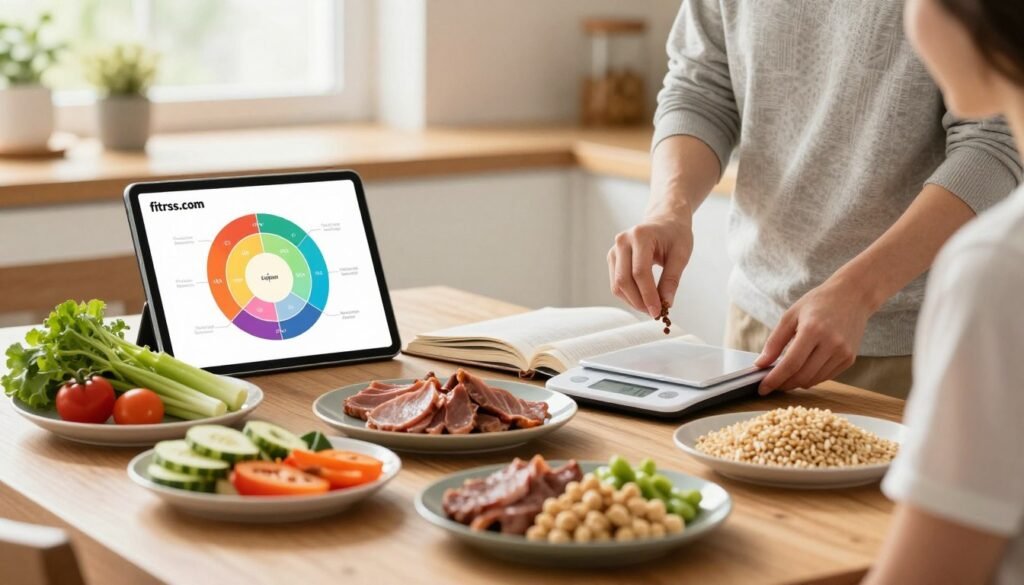
Smaller plates, slower eating, and pre-portioned snacks
Use a smaller plate (about nine inches) and pause between bites. Eating slowly helps us notice fullness sooner.
Pre-portion snacks into containers so we avoid accidental overeating when hunger hits.
Restaurant strategies: splitting entrées and ordering à la carte
At restaurants, plan a take-home portion, split an entrée, or order à la carte sides. These moves cut serving sizes without changing the menu.
“Using smaller plates and slowing our pace lets fullness arrive before overeating does.”
Volume eating: more vegetables, fewer calorie-dense bites
Build meals around high-volume, low-calorie vegetables. Add extra salad or steamed veg and reduce high-calorie sides.
Small swaps — more vegetables plus a smaller portion of a richer side — keep meals satisfying and repeatable.
| Strategy | How to do it | Benefit |
|---|---|---|
| Smaller plate | Use ~9″ plate for main course | Reduces portion size automatically |
| Slow eating | Put fork down between bites, chew more | Notice fullness earlier |
| Volume focus | Fill half the plate with vegetables | More food for fewer calories |
Build meals around protein and fiber to stay full longer
A reliable fullness strategy begins by centering meals around protein and high-fiber plant foods. This mix helps us feel satisfied longer and reduces grazing later in the day.
UTMB Health suggests protein-containing snacks can blunt hunger; simple combos work well for busy days.
Snack smarter with protein-forward combos
- Apple with peanut butter — quick, portable, and protein-rich.
- Cheese with whole-grain crackers — savory and filling.
- Yogurt with berries — adds protein plus fiber from fruits.
Simple ways to add vegetables and fruits to meals
Low-effort choices include bagged salads, frozen vegetables, and pre-cut produce. Add berries at breakfast or a piece of fruit with an afternoon snack to raise fiber and satisfaction.
“Combine a protein source with a high-fiber plant and a flavorful finish — it becomes our default plate.”
| Strategy | Quick example | Benefit |
|---|---|---|
| Protein + fiber | Grilled chicken + mixed greens | Longer fullness, less snacking |
| Protein snack | Cottage cheese + peach | Stable energy between meals |
| Low-effort veg | Frozen stir-fry mix | Easy fiber in minutes |
Our default meal template: protein + high-fiber plant + satisfying flavor. When we use this often, eating well becomes easier and more sustainable.
Drink choices that can quietly drive weight gain
Our beverage habits can add a surprising number of calories without making us feel full. Small daily choices — a flavored latte, an energy shot, or habitual sugary sodas — add up fast and can nudge us toward unwanted weight gain over time.
Hydration basics: how drinking more water supports energy and habits
Dehydration can make us feel sluggish and sap our motivation, says UTMB Health. Drinking water regularly helps energy and makes it easier for us to stick with planned meals and activity.
Keep a water bottle near your workspace and sip throughout the day. Aim to replace one sugary drink per day with plain water and notice how cravings change.
Energy drinks, coffee add-ins, and how calories add up fast
Energy drinks often contain added sugar and hidden calories. Specialty coffee drinks can pack a lot of calories from cream, sugar, and flavored syrups.
Order black coffee or measure add-ins instead of free-pouring. Small swaps — unsweetened tea, seltzer with lemon, or a single splash of milk — cut intake without losing ritual.
Caffeine limits to keep in mind
For most healthy adults, up to 400 mg caffeine per day is considered a reasonable upper limit (about four cups of plain coffee). Exceeding that can harm sleep and appetite, which backfires on our goals.
| Problem | Typical effect | Practical swap |
|---|---|---|
| Energy drinks | High sugar, extra calories | Unsweetened iced tea or seltzer |
| Specialty coffee | Many hidden calories per cup | Black coffee or measured cream |
| Low water intake | Fatigue and overeating later | Water bottle + timed sips |
Track beverage intake for a week to spot patterns, especially on stressful workdays. When we see where a lot of daily calories come from, we can make small, sustainable swaps that add up.
Move more with a plan we can repeat week after week
When we design a repeatable activity plan, consistency replaces motivation. A clear weekly target helps us schedule movement like any other appointment and keeps progress steady.
Meeting the weekly target for aerobic activity
We aim for at least 150 minutes of aerobic activity each week. That can be brisk walking, biking, or swimming.
Break minutes into small blocks: three 50-minute sessions, five 30-minute walks, or ten 15-minute brisk walks spread across the week. Small chunks add up and feel doable.
Strength training days that support metabolism and body weight goals
Strength work two or more days per week helps preserve muscle and support metabolism. Options include body weight circuits, resistance bands, free weights, or machines.
Try a simple routine: 2–3 sets of push-ups, squats, and rows. Progress by adding reps, band tension, or light weights over time.
Simple ways to add more physical activity throughout the day
We build extra activity without long gym sessions. Take stairs, park farther away, or hold walking meetings.
For busy days, use a “minimum viable workout”: 10 minutes of brisk walking plus a 5-minute body weight circuit. That keeps our routine intact and prevents all-or-nothing thinking.
| Goal | How | When |
|---|---|---|
| Aerobic minutes | Brisk walk, bike, swim | Spread across the week (150+ minutes) |
| Strength days | Body weight, bands, weights | 2+ days per week |
| Daily activity | Stairs, walking meetings | Short bursts, all day |
The best exercise plan is the one we can repeat week after week. Consistency in activity and strength work drives lasting results.
Track what we do to change what we get
Logging what we eat and move lets data replace guesswork and frustration. UC Davis Health notes that tracking intake and movement is a proven tool we can use with an app or a small notebook.
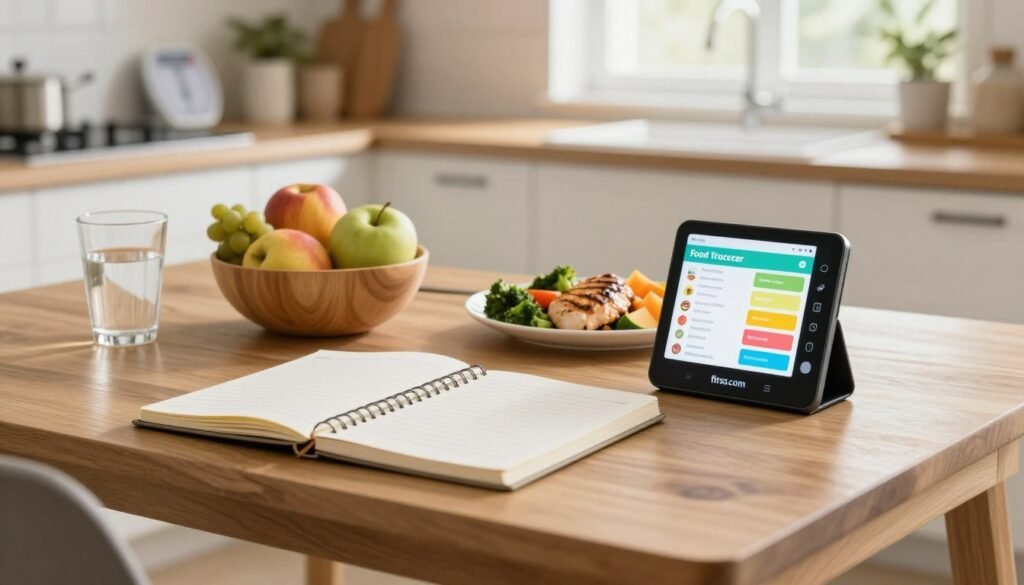
Food and drink tracking to find hidden calories
We record every bite and sip for a few weeks. Include coffee drinks, condiments, small workplace snacks, and tasting bites.
This shows where unnoticed calories add up and where one small swap saves real energy for our plan.
Movement logging to spot daily and weekly patterns
We note steps, workouts, and low-movement days. Seeing a trend helps us add short walks or a scheduled session on slow days.
Consistent weigh-ins that guide adjustments
Weigh at the same time, on the same scale, under similar conditions. This keeps the data honest and less emotional.
| What to track | How often | Why it helps |
|---|---|---|
| Food & drinks | Daily | Reveals hidden calories |
| Movement (steps/workouts) | Daily | Shows low-activity days |
| Scale check | Weekly | Guides small plan tweaks |
Tools: apps, notes app, or a pocket notebook. Spend five minutes a day logging. Then change one variable at a time—portion, beverage, or steps—and watch the results.
Weight Loss Made Simple: 7 Effective Ways to Lose Weight
This plan stitches the main strategies into a single, usable routine we can follow week by week. When the pieces connect, decision points drop and steady progress becomes easier.
Realistic goals guide our weekly choices. A livable meal pattern cuts decision fatigue, while portion control and protein-plus-fiber choices keep hunger in check.
Movement and strength work create a repeatable rhythm that supports both short-term loss and long-term maintenance. Tracking acts as our feedback loop and points out small changes that matter.
A one-week starter plan we can use right now
- Week 1 focus: Set one realistic goal, plan three balanced meals, and track every drink.
- Week 2 focus: Add two 20–30 minute activity sessions and a protein-rich snack each day.
- Tracking: Log food, beverages, and two brief weekly weigh-ins to spot trends.
| Day | Main action | Why it helps |
|---|---|---|
| Mon–Wed | Follow meal pattern + track | Builds routine |
| Thu–Fri | Add 20–30 min activity | Creates movement habit |
| Sat–Sun | Review tracking; adjust portions | Small course corrections |
“Small, connected habits beat big, isolated fixes every time.”
When we connect goals, meals, movement, and tracking into one plan, each part helps the others. That makes real, lasting changes more likely.
Set ourselves up for success at home and at work
Where we store food and gear often shapes our decisions more than willpower does. Small environment changes make healthy choices easier across the day. This reduces decision fatigue and keeps our new habits steady.

Meal planning, grocery routines, and prep that make healthy meals easier
Start by choosing a few go-to breakfasts, lunches, and dinners we enjoy for the week. Pick one day to shop and one short session to prep basics.
Beginner prep ideas: wash and bag produce, pre-portion snacks, and batch-cook a simple protein. These moves cut time and make healthy meals the easy option at home and at work.
Scheduling workouts and reducing friction with the right gear
Put exercise blocks on our calendar like any appointment. Scheduling prevents conflicts and makes movement part of our lifestyle rather than an optional extra.
Reduce friction: keep walking shoes at work, set out workout clothes the night before, and create a 10-minute backup plan for busy days.
Practical routine checklist
- One-day start: Pack lunch or snacks for one day each week, then add days as it becomes routine.
- Grocery plan: Shop with a short list of staples and two dinner options.
- Prep habits: Pre-portion snacks and batch-cook protein to lower morning and evening decision load.
| Routine | Action | Why it makes a difference |
|---|---|---|
| Meal day | Plan one day’s meals and snacks weekly | Builds confidence and reduces last-minute choices |
| Prep routine | Wash produce, batch-cook protein, portion snacks | Makes healthy options immediate and convenient |
| Exercise setup | Schedule sessions and keep gear accessible | Removes barriers so we move more often |
Protect our progress from emotional and mindless eating
Evening routines often set the stage for habits that either help or hurt our progress. UTMB Health notes some people aren’t aware they’re emotionally eating; the end of the day is a common risk window.
Recognizing emotional triggers before we reach for food
Stress, fatigue, conflict, and boredom can start an emotional eating cycle. We feel tense during the day and then use snacks as a quick release once we are home.
Pause and name the trigger. Saying the emotion out loud or checking in on a friend can break the automatic reach for a snack.
Mindful eating habits that reduce overeating at night
Simple decompression routines replace food-as-coping. Try deep breathing for two minutes, a short walk, or calling someone who listens before eating.
Prevent mindless nibbling by portioning snacks into a bowl instead of eating from the bag. Eat away from the pantry and slow down—put the fork down between bites and check hunger and fullness.
“Preventing a few high-calorie nights each week can make a meaningful difference in long-term progress.”
- Identify your triggers and write them down.
- Use a 2–5 minute decompression routine before snack time.
- Portion snacks and set an eating spot away from screens.
Small changes in our night routine can shift behavior and make a real difference in how often we turn to food for comfort.
Be cautious with supplements and quick-fix promises
Many flashy supplements arrive like breaking news, promising rapid results with minimal effort. We should treat those ads with skepticism and favor steady, evidence-based change.
Why dramatic timelines usually hurt progress
Programs that promise very fast results set unrealistic expectations. When progress slows, people often feel defeated and return to old habits.
Research guidance suggests aiming around ~1 pound per week. Faster plans can trigger rebound eating and long-term setbacks.
Practical checklist for spotting red flags
- Extreme timelines or miracle phrases that read like breaking news.
- Before-and-after photos without clear context or sources.
- Products that require many additional purchases to work.
When a basic multivitamin may be enough—and when extras can harm
UTMB Health notes a standard multivitamin may suit many people. But piling on supplements can stress the body, stack doses, and cost a lot without clear benefit.
We recommend talking with a clinician or registered dietitian before adding extras—especially if you take medications or have chronic health conditions.
| Concern | Why it matters | Quick action |
|---|---|---|
| Rapid promises | Unrealistic expectations | Choose steady targets |
| Multiple supplements | Dose stacking, extra cost | Ask a clinician |
| Marketing claims | Often unverified | Check peer-reviewed evidence |
Get support: what to look for in a weight management program
If we struggle to stay consistent, joining a structured support option can change how our efforts add up. Choosing help is smart when we try alone and stall or when accountability makes the difference between starting and sticking.
Accountability that lasts beyond the first few weeks
Look for long-term check-ins—weekly or biweekly contacts for at least a few months. Programs that track weight, diet, and activity and teach skills keep gains steady beyond the kickoff period.
Programs that fit our preferences and keep favorite foods
Pick a plan that matches tastes and lifestyle. The best choices let us include favorite foods in moderation and combine eating with activity, so we meet a realistic goal of about ~1 lb per week.
Comparing in-person, phone-based, and app-based options
In-person and phone-based programs often yield larger short-term results because direct accountability matters. Apps work well for unpredictable schedules if they include live check-ins or coaching.
| Type | Strength | Who it fits |
|---|---|---|
| In-person | Strong accountability | Prefer face-to-face |
| Phone | Accessible support | Busy, remote users |
| App | Flexible tracking | Irregular schedules |
Before enrolling, set evaluation criteria: schedule fit, tracking features, coach access, cost, and how the program treats diet choices. Good support teaches skills we can use long after the first few weeks.
Conclusion
Conclusion
Here’s a short recap that focuses on what we can do each day and each week to build progress. Pick one small change this week — portion snacks, walk after lunch, or track beverages — and practice it until it feels automatic.
Our body responds best to steady habits: balanced meals, manageable calories, and a movement routine we repeat. Tracking and support keep us honest and adaptable over time.
The scale is only one signal. Improved energy, strength, and daily consistency are real wins that matter. Choose a practical plan, stick with it long enough, and the changes will compound.
FAQ
Why does losing pounds often feel so difficult?
Many factors make shedding pounds feel hard: our environment, high-calorie foods, stressful schedules, and habits formed over years. We focus on sustainable changes — small, manageable steps in eating, activity, and sleep — that add up over weeks and months rather than dramatic short-term fixes.
What is a realistic rate of progress most adults can sustain?
A gradual change is best for long-term results. We recommend aiming for modest weekly changes that translate into steady progress over months. This approach helps preserve muscle, supports energy, and lowers the chance of regaining weight.
How should we choose a goal that feels achievable?
Pick goals tied to habits and function rather than a single number on the scale. For example, aim to walk a set number of minutes per day, increase vegetable servings, or fit into an item of clothing. These targets are motivating and measurable.
Which meal patterns work well long term?
Mediterranean and DASH-style patterns are flexible, nutrient-rich, and easy to follow. Using the USDA MyPlate approach helps balance portions. Intermittent fasting can work for some people if it fits daily routines and doesn’t provoke overeating.
How can we control portions without feeling deprived?
Use smaller plates, eat more slowly, and pre-portion snacks. At restaurants, share entrées or order à la carte items. Focus on volume eating—fill plates with vegetables and fiber-rich foods to feel full on fewer calories.
What should we emphasize in meals to stay satisfied longer?
Build meals around protein and fiber. Lean proteins, beans, whole grains, fruits, and vegetables decrease hunger between meals. For snacks, pair protein with a fiber-rich item, like Greek yogurt with berries or hummus with raw vegetables.
Which beverages quietly add calories and slow progress?
Sugary drinks, creamy coffee drinks, and many fruit juices can add unexpected calories. We recommend prioritizing water, seltzer, or unsweetened tea and monitoring coffee add-ins. Small daily extras add up fast.
How much physical activity should we aim for each week?
A practical weekly target includes regular aerobic activity plus strength training sessions. Consistency matters more than intensity: moderate activity spread across most days and two or more strength sessions per week supports metabolism and functional fitness.
Is tracking food and activity really necessary?
Tracking helps reveal hidden calories and patterns. Short-term logging can teach portion sizes, identify problem times, and guide adjustments. We suggest using simple apps or a notebook for a few weeks to learn what works for us.
How can we protect progress from emotional or mindless eating?
Recognize triggers and create alternative responses, such as brief walks, hydration, or stress-relief techniques. Mindful eating—slowing down, noticing hunger and fullness cues, and avoiding eating while distracted—reduces nighttime overeating.
Are supplements or rapid-loss programs a safe shortcut?
Most rapid-loss claims are unrealistic and may be unsafe. Basic multivitamins can help fill gaps, but many touted supplements lack strong evidence and can cause harm. We recommend consulting a healthcare provider before starting any supplement or aggressive program.
What should we look for when choosing a support program?
Seek programs that offer long-term accountability, fit our lifestyle, and allow favorite foods. Compare in-person, phone-based, and app options for coaching, tracking, and flexibility. Sustainable support focuses on habits, not strict deprivation.
How do the core strategies work together in a practical plan?
Combine balanced meals focused on protein and fiber, regular physical activity, mindful portion control, consistent tracking, and social support. These elements reinforce one another, making steady progress more likely and easier to maintain over time.