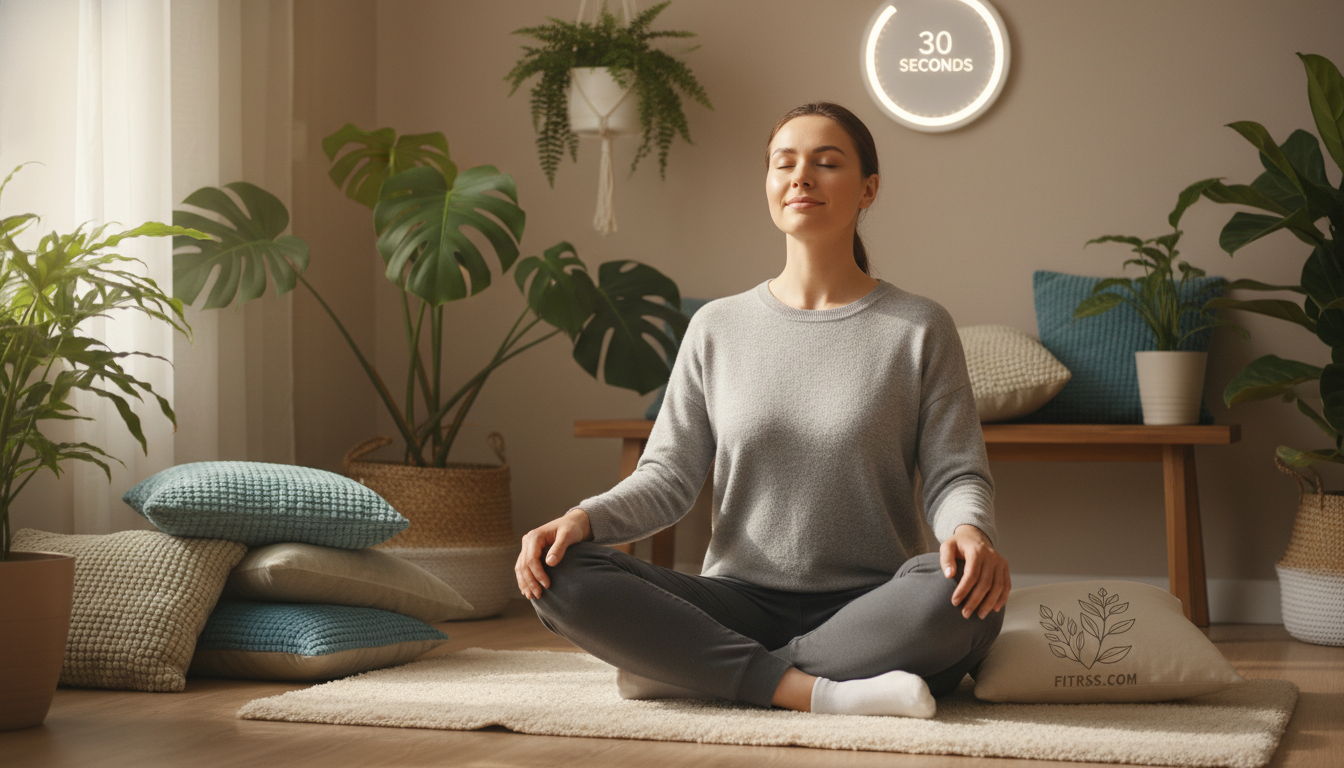

Have you ever wondered if a full reset of panic is possible in the time it takes to read a text message?
I created this 30-second method because I kept seeing the same pattern in myself and others: sudden panic in meetings, situational anxiety before flights, and performance nerves before presentations. These moments feel urgent, overwhelming, and unfair, and I wanted a tool that worked fast.
Anxiety is an adaptive stress response meant to protect us, but it becomes unhelpful when it is disproportionate, frequent, or long-lasting. In myself and clients I notice a racing heart, shallow breathing, tunnel vision, and intrusive thoughts that hijack focus. That mix makes small problems feel like threats.
In this concise tutorial I show exactly how to trick your brain out of anxiety in exactly 30 seconds using breathing, body, cognitive, and sensory hacks I have practiced and refined. You’ll get step-by-step quick anxiety tricks for instant anxiety control and practical ways to calm your mind fast.
This approach offers rapid anxiety relief for acute spikes, but it is not a replacement for professional treatment for severe or chronic anxiety. If anxiety is frequent or disabling, consult a mental health professional — therapy and medication are valid options that can work with these instant hacks.
Key Takeaways
- I designed a 30-second routine to help with sudden panic, situational anxiety, and performance nerves.
- Anxiety is a useful stress response that becomes harmful when it is excessive or persistent.
- The article gives practical, repeatable quick anxiety tricks for instant anxiety control and calm your mind fast.
- These techniques offer rapid anxiety relief for spikes but are not a substitute for therapy or medication when needed.
- Follow-up sections explain the brain science, a step-by-step script, and sensory and breathing hacks to make this reliable.
What happens in your brain during anxiety and why 30 seconds can help
I break down the brain processes so you can see why a brief action can work fast. Anxiety sparks a chain reaction in the body and mind. Knowing how that chain forms makes quick anxiety relief and anxiety management techniques more logical and doable.
How anxiety activates the stress response
The amygdala acts like an alarm center. When it senses danger, it triggers the hypothalamic-pituitary-adrenal (HPA) axis and the sympathetic nervous system. Adrenaline and cortisol flood the body, heart rate rises, muscles tense, and breathing quickens.
That physiological cascade feeds back to the mind. Physical arousal makes thoughts feel more threatening. A loop forms: sensation leads to interpretation, and interpretation increases sensation. This loop explains why many anxiety reduction techniques and anxiety management techniques focus on interrupting the body’s response as well as the thought pattern.
The neuroscience behind rapid shifts in attention and breathing
Attention is flexible. Shifting focus from internal catastrophic thoughts to simple external sensations can down-regulate the amygdala within seconds. I use this to re-route my thinking away from spirals and toward concrete inputs.
Breath ties into the vagus nerve and parasympathetic circuits. Slower exhalations stimulate relaxation pathways and lower heart rate. Studies show that controlled breathing and brief attention shifts change heart rate variability and reduce subjective anxiety quickly. These mechanisms underlie many mental health tips and quick anxiety relief methods.
Why short interventions can interrupt the anxiety loop
Anxiety runs on a repeating pattern: sensation → interpretation → more sensation. A well-timed 30-second action breaks one link in that chain. I call this the “interrupt and replace” principle. Change the breath, shift attention, or label the emotion and the brain gets new sensory data to process.
Repeated practice makes the new response stronger. The brain learns the pattern and links the 30-second action to lowered arousal. Over time the same mind trick for anxiety becomes more reliable. That is why combining anxiety reduction techniques, cognitive tricks for anxiety, and anxiety relief techniques into a short routine increases success.
How to trick your brain out of Anxiety in exactly 30 seconds
I keep a compact routine that turns rising panic into a short, repeatable process. This introduction shows the script I use, the quick physical and cognitive parts I combine, and the timing tips that make instant anxiety calm techniques reliable under pressure. These anxiety hacks fit inside thirty seconds and aim to give immediate anxiety reduction techniques you can trust.
A step-by-step script I use when panic rises
Stop. Feet on floor. Inhale 4 — hold 1 — exhale 6. Name the feeling: “That’s anxiety.” Look at three colors in the room. Repeat: “I’m safe right now.”
I say each line to interrupt habitual escalation. “Stop” cuts the loop. Placing my feet on the floor reconnects me to my body and grounds my attention. The breathing pattern lengthens my exhale to nudge the parasympathetic system. Labeling the emotion calms the amygdala. Counting colors shifts attention to neutral sensory detail.
Quick physical and cognitive components to combine
I pick one physical move, one cognitive line, and one sensory anchor. Physical choices: a diaphragmatic breath with a slower exhale, a micro tension-release scan of shoulders and jaw, a posture reset, a quick stamped foot, or a light shoulder roll to break the freeze response.
Cognitive options: I label the feeling, say a short reappraisal like “I’m okay right now,” count three sensory details, or use a one-word mantra such as steady. Sensory anchors I use include focusing on a neutral object, pressing a textured coin in my pocket, or sniffing a calming scent from a small vial.
Combining one physical + one cognitive + one sensory creates a stronger interruption than any single move. That mix is the essence of practical anxiety hacks and instant anxiety calm techniques I recommend.
Timing and practice tips to make the 30-second trick reliable
I rehearse the script daily in low-stress moments so it becomes automatic. I time 30-second repetitions with my phone or a kitchen timer to build muscle memory. Short, frequent practice beats rare, long sessions.
Use cue-action plans like “when I stand up, I rehearse the 30-second trick.” I adapt the micro-routine for context: at work I skip the sniffing and use a textured pen; in public I do the breath, label, and visual-count. With repetition the method becomes faster and more effective, creating dependable anxiety reduction techniques for real life.
Simple breathing and body tricks for instant anxiety relief
I keep a handful of practical moves that deliver rapid anxiety relief when stress flares. These are quick, discreet, and easy to learn. I use breathing exercises for anxiety, small muscle releases, and posture shifts to move my body first and calm my mind next.
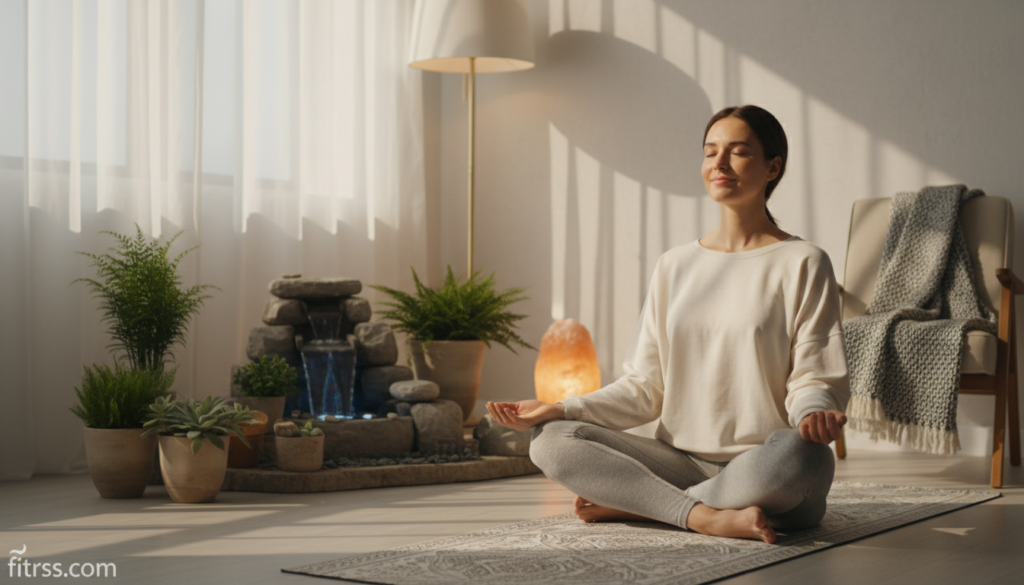
I start with a compact breathing pattern that fits into thirty seconds. A classic box breath is inhale 4, hold 4, exhale 4, hold 4. When I need a faster reset I use a 30-second variant: inhale 3, hold 1, exhale 5, repeated three times. That longer exhale nudges the vagus nerve toward relaxation and lowers heart rate.
To do the 30-second variant step-by-step: sit or stand comfortably, inhale through the nose for three counts, hold for one count, exhale through the mouth for five counts. Repeat the cycle three times; the full sequence stays within thirty seconds. I practice with Calm or Headspace at first, then switch to silent counts as I learn the rhythm. These breathing exercises for anxiety are among my top anxiety relief techniques.
When tension feels pinned in my body I use micro-progressive muscle release. This is not full-body tensing but brief, focused moves that you can do anywhere. I clench my fists for 3–4 seconds, then release and notice the contrast. I shrug my shoulders up, hold a beat, then let them drop. I let the jaw soften while I exhale slowly.
Here is the quick sequence I use for immediate tension reduction: clench, release; shrug, drop; soften jaw. Each action pairs with a slow exhale. The whole set lasts about thirty seconds. In public I keep the actions subtle. Micro-release lowers sympathetic arousal without drawing attention, and it rates high among practical anxiety management techniques.
I pair breathing and micro-release with posture and grounding moves that reset my nervous system from the bottom up. I sit upright, shoulders back, feet pressed into the floor, and lengthen my spine. Opening the chest improves breathing efficiency and signals the brain that I am safe.
For a rapid sensory anchor I use a 30-second version of the 5-4-3-2-1 check: name five things I see, four things I can touch nearby, three sounds I hear, two smells I notice, and one steady breath to finish. I sometimes stamp a foot lightly or press fingertips together as discreet anchors. These grounding moves pair well with breathing exercises for anxiety and deliver quick anxiety relief in moments of surge.
I keep these steps in a compact table so I can practice fast. Each row shows what I do, how long it takes, and the main effect.
| Move | Steps | Duration | Primary Effect |
|---|---|---|---|
| 30-second box variant | Inhale 3, hold 1, exhale 5; repeat ×3 | 30 seconds | Slows heart rate; rapid anxiety relief |
| Micro-progressive release | Clench fists 3–4s, release; shrug, drop; soften jaw with exhale | 20–30 seconds | Reduces muscle tension; quick anxiety relief |
| Posture + 30s grounding | Sit tall, press feet, 5-4-3-2-1 sensory check, press fingertips | 20–30 seconds | Bottom-up regulation; supports anxiety management techniques |
Cognitive reframes and mental tricks to calm your mind fast
I use short mental moves that shift how my brain interprets a moment. These are practical cognitive tricks for anxiety that fit into a 30-second window. They work as an anxiety hack when my thoughts race. I pair them with breath and a physical anchor so the change feels real, not just hopeful.

Labeling the feeling cuts intensity. Research shows that saying “I’m feeling anxious” lowers amygdala activity and brings prefrontal regions online. I speak a simple script aloud: “This is anxiety; it’s uncomfortable but not dangerous.” I time the label with an inhale or an exhale to amplify the effect. That pairing makes the anxiety management techniques more immediate and powerful.
I keep a few micro-reappraisal phrases ready to use in thirty seconds. My favorites are:
- “This will pass.”
- “I have handled this before.”
- “My body is reacting — not failing.”
- “I’m prepared enough.”
Reappraisal shifts meaning and stops catastrophic forecasting. I pick a phrase that feels believable to me so the brain accepts it. Saying a genuine line works better than repeating something I don’t trust. That choice makes these mental health tricks stick in real moments.
Focused attention interrupts the worry loop by using working memory. I use quick tasks like counting backwards from 100 by sevens, naming five shapes and colors I see, or listening for three distinct ambient sounds for thirty seconds. These tasks fill cognitive space that rumination would use.
I add a physical anchor to lock the change in place. Pressing my index finger to my thumb while I count or speak a reappraisal links sensation and thought. This combo acts as an anxiety hack and gives me an easy cue to repeat the move later.
Below I compare the techniques so you can choose what fits your situation and practice them as reliable anxiety management techniques.
| Technique | What I do (30 sec) | Why it works | Best moment to use |
|---|---|---|---|
| Labeling the emotion | Say “This is anxiety; it’s uncomfortable but not dangerous” on an inhale | Reduces amygdala response and engages prefrontal control | At first rise of panic or worry |
| Micro-reappraisal | Choose one believable phrase: “This will pass” | Changes meaning and reduces catastrophic thinking | Before performance or during persistent worry |
| Focused attention | Count backwards by sevens or name five colors while pressing thumb to finger | Occupies working memory and stops rumination | When thoughts loop or attention fragments |
| Combined anchor | Label, reappraise, and press finger together for 30 seconds | Links cognitive and sensory interruption for lasting effect | High-stakes moments or repeated triggers |
Environmental and sensory hacks for rapid anxiety reduction
I keep a short set of sensory tools and simple steps that pull me out of rising panic in seconds. These small, repeatable moves work as anxiety relief techniques I can use anywhere. The goal is instant anxiety control so my body and mind stop spiraling.
Using scent, touch, and sound as instant anchors
Scent is the quickest memory route to calm. I carry a pocket-sized essential oil roller of lavender or peppermint for a 30-second sniff. When I inhale the familiar scent, my brain shifts focus and lowers arousal. This is one of the sensory anchors for anxiety I rely on.
Tactile anchors work in tight spaces. A smooth worry stone, a textured fidget, or a soft fabric folded in my palm pulls attention into the body. I press the object and count three steady breaths. The connection between touch and breath gives near-immediate grounding.
Sound resets my nervous system when wiring feels loud. I use a 30-second breathing track or a short calming phrase saved on my phone and play it through noise-isolating earbuds. Predictable rhythms and a gentle voice bring fast nervous-system changes, a simple anxiety hack for noisy moments.
Portable items and setups I keep for on-the-go relief
My everyday kit is compact and discreet. It includes a pocket essential oil roller from reputable brands such as doTERRA or NOW Foods, a textured worry stone, noise-isolating earbuds with a short breathing track, and a small card with my 30-second script.
For discreet use in public I sniff subtly, palm a coin, or tap a fingerprint-style tactile sticker. These micro-actions provide portable anxiety relief without drawing attention. I keep devices charged and choose hypoallergenic oils to avoid reactions.
How to build an anxiety-friendly micro-environment in public
I scout small comforts when I arrive somewhere. I pick a seat near an exit if that eases anticipatory tension. A chair with a solid back helps me anchor posture. If a view helps, I choose a window seat for more visual space. These choices form low-effort anxiety management tips that support instant tricks.
Lighting and sensory clutter matter. I put on sunglasses to cut glare or move to a quiet corner to lower stimulation. When needed, I excuse myself for 30 seconds, use my 30-second routine, and return calmer. Practicing quick exits keeps me from escalating anxiety by staying put.
These environmental steps, paired with sensory anchors for anxiety and compact tools, make anxiety hacks reliable on the go. Over time, the micro-routines become automatic and strengthen instant anxiety control in everyday life.
Longer-term anxiety management techniques that support instant tricks
I build daily habits that make my 30-second hacks land faster and last longer. Small, steady practices change my baseline tension and improve heart rate variability so breathing tricks work with more impact. I aim for 10–20 minutes of mindfulness or paced breathing most days, regular aerobic exercise, a steady sleep schedule, and cutting back on late-day caffeine.
I use apps like Headspace, Insight Timer, and HeartMath to keep practice consistent and to see measurable gains. These tools help with anxiety tracking and show trends in stress over weeks. When I pair short daily routines with the 30-second trick, the speed and size of relief improve.
Daily practices that make quick hacks more effective
Consistent paced breathing, three to four times daily, raises my baseline resilience. Regular aerobic workouts lower resting cortisol and prime my autonomic system to shift quickly. Solid sleep hygiene—same wake and sleep times—reduces reactivity. I treat these as core anxiety management tips, not optional extras.
When to combine quick hacks with therapy or medication
I use fast anxiety solutions for sudden spikes. For moderate-to-severe or persistent symptoms, I seek professional care. I discuss options like cognitive behavioral therapy, exposure therapy, or acceptance and commitment therapy with a licensed clinician. If medication is advised, I consult psychiatrists or my primary care doctor about SSRIs, SNRIs, or short-term benzodiazepines under supervision.
In therapy for anxiety, I bring my in-the-moment tricks into sessions. Therapists help me translate those hacks into longer-term skills so I rely less on emergency fixes over time.
Tracking progress and refining which tricks work best for me
I keep a brief daily log—phone notes or an anxiety app—with the trigger, the 30-second technique I used, and a 0–10 effectiveness rating. Simple records make pattern recognition easy. I notice some situations respond best to breathing, others to sensory anchors.
I iterate deliberately. I test different combinations for two weeks, keep what works, and update my pocket toolkit. This blend of anxiety reduction techniques and mental health tips turns quick hacks into a durable system that fits my life.
Conclusion
I can often stop a rising wave of anxiety in 30 seconds by combining a simple breathing pattern, a quick bodily reset, a short cognitive label or reappraisal, and a sensory anchor. That blend targets the brain-body loop that fuels panic, giving me instant anxiety control and a reliable path to rapid anxiety relief when I need it most.
The key takeaways are clear: understand how the stress response cycles between mind and body, interrupt that loop with targeted 30-second interventions, and practice those moves daily until the response becomes automatic. I carry discreet anxiety hacks—like a scent vial, a counting script, or a posture cue—for use in public so I can apply the technique anywhere.
I also recognize the limits. If anxiety is frequent, severe, or harms my work or relationships, I will seek professional help and combine these instant hacks with longer-term practices such as therapy, regular exercise, and sleep hygiene. For immediate practice, I encourage readers to try the exact 30-second script I provided, use it for a week, track results, and adjust the components to fit their context.
Practice consistently and note small wins. When you want to know how to trick your brain out of anxiety in exactly 30 seconds, keep the routine simple, practice often, and use these anxiety relief techniques and quick anxiety relief strategies as part of a broader plan for well-being.
FAQ
Why did I create a 30-second method to trick my brain out of anxiety?
I developed this 30-second method because I needed something fast and reliable for sudden panic, situational anxiety, and performance nerves. I kept noticing the same signs in myself and others—racing heart, shallow breathing, tunnel vision, intrusive thoughts—and wanted a concise routine that interrupts that pattern immediately using breathing, body, cognitive, and sensory hacks.
What is anxiety, and which symptoms does this short trick target?
Anxiety is an adaptive stress response that becomes unhelpful when it’s too frequent, disproportionate, or long-lasting. The instant techniques I teach target acute symptoms like increased heart rate, shallow breathing, muscle tension, and spiraling thoughts by shifting physiology and attention in 30 seconds.
How can 30 seconds actually change what’s happening in my brain?
The amygdala triggers a fast stress cascade (adrenaline, cortisol, sympathetic arousal). Attention and breath are surprisingly fast levers: shifting focus to external cues and lengthening the exhale stimulates the vagus nerve and parasympathetic response. A well-timed 30-second breath, body reset, and label interrupts the sensation→interpretation→escalation loop and down-regulates arousal.
What’s the exact 30-second script you use when panic rises?
I use a short script I say and do: “Stop.” Plant my feet on the floor. Inhale 4 — hold 1 — exhale 6. Say, “That’s anxiety.” Look at three colors around me. Repeat, “I’m safe right now.” Each step interrupts escalation: stop resets habit, feet ground the body, breathing engages calming circuits, labeling reduces limbic intensity, and sensory focus redirects attention.
Which physical and cognitive components should I combine for the fastest effect?
Combine one physical move (diaphragmatic breath, posture reset, or a subtle shoulder roll) + one cognitive tool (labeling or a short reappraisal like “This will pass”) + one sensory anchor (press a textured object, sniff a calming scent, or name colors). That triad creates a strong interrupt in 30 seconds.
Can you give a 30-second breathing pattern that actually fits the time?
Yes—try a condensed box variant: inhale 3, hold 1, exhale 5, repeated three times. The longer exhale is the key; three cycles fit neatly into about 30 seconds and stimulate relaxation without requiring headspace or special equipment.
What subtle body tricks help if I’m in public or at work?
Use micro-progressive releases: clench fists for 3–4 seconds then release, shrug and drop shoulders, soften the jaw. Press your feet into the floor or press fingertips together as a discreet anchor. These reduce sympathetic tone without drawing attention.
How does labeling the emotion help me calm down fast?
Affect labeling—saying “I’m feeling anxious” or “This is anxiety; it’s uncomfortable but not dangerous”—engages prefrontal regions that lower amygdala activity. Pair it with a slow exhale and it works even faster.
What short reappraisal phrases actually work in 30 seconds?
Choose simple, believable phrases: “This will pass,” “My body is reacting, not failing,” or “I’ve handled this before.” Authenticity matters—pick wording that feels true so your brain accepts the appraisal quickly.
How can focused attention break a worry cycle in half a minute?
Focused attention uses working memory, reducing bandwidth for rumination. Try counting backwards by sevens for 30 seconds, naming five things you see then four you can touch (a rapid 5-4-3-2-1), or listening for specific ambient sounds while pressing thumb to finger to combine cognitive and sensory interruption.
What portable items do you keep for on-the-go rapid anxiety relief?
I carry a pocket essential-oil roller (lavender or peppermint), a textured worry stone, compact noise-isolating earbuds with a short breathing track, and a small card with my 30-second script. Discreet use—subtle sniff, palming a coin, or pressing a tactile sticker—works well in public.
Are scents and sounds safe and effective as instant anchors?
Yes—olfactory and auditory anchors can shift state fast. Use reputable brands (for example, doTERRA or NOW Foods for essential oils) and avoid allergens. Keep short audio cues or a 30-second breathing clip on your phone for predictable calming patterns.
How do I practice so the 30-second trick becomes automatic?
Rehearse daily in calm moments: run the 30-second script timed, use phone reminders, or attach the practice to a cue (when I stand up, I rehearse once). Consistent repetition builds muscle memory and speeds the response when anxiety hits.
When should I see a professional instead of relying on quick tricks?
Instant hacks help with acute spikes, but if anxiety is frequent, severe, or disabling, consult a mental health professional. Evidence-based therapy (CBT, exposure therapy, ACT) and medication (SSRIs, SNRIs, or short-term options under supervision) are valid and often necessary complements.
How do I track which tricks actually help me over time?
Keep a simple log—smartphone note or an app—recording triggers, which 30-second tricks you used, and a 0–10 effectiveness rating. Over days and weeks you’ll see patterns and can refine a pocket toolkit of the fastest, most reliable hacks for your situations.
Do these instant techniques support long-term anxiety reduction?
Yes—when paired with daily resilience practices (10–20 minutes of paced breathing or mindfulness, regular exercise, consistent sleep, lower stimulants), the baseline autonomic tone improves and the 30-second tricks become more potent. Quick hacks are an important bridge while you build longer-term skills.
Can I use these hacks while driving or during important tasks?
Yes, with safety in mind. Use methods that don’t require closing your eyes or intense concentration—steady exhale breathing, pressing fingertips together, or saying a short mantra silently. If anxiety is severe while driving, safely pull over before using longer practices.
What if a 30-second trick doesn’t fully stop the anxiety—what next?
If one cycle doesn’t do it, repeat the 30-second sequence or switch components (try breathing + tactile anchor instead of sensory + posture). If spikes persist or worsen, pause and use a slightly longer breathing or grounding routine, and reach out to a clinician if this becomes a pattern.
Which apps or tools do you recommend to learn and reinforce these techniques?
I use Calm, Headspace, and Insight Timer for guided breathing and mindfulness; HeartMath and simple timer apps help with paced breathing practice. Choose apps that let you build short custom clips so you can keep a 30-second anchor ready.