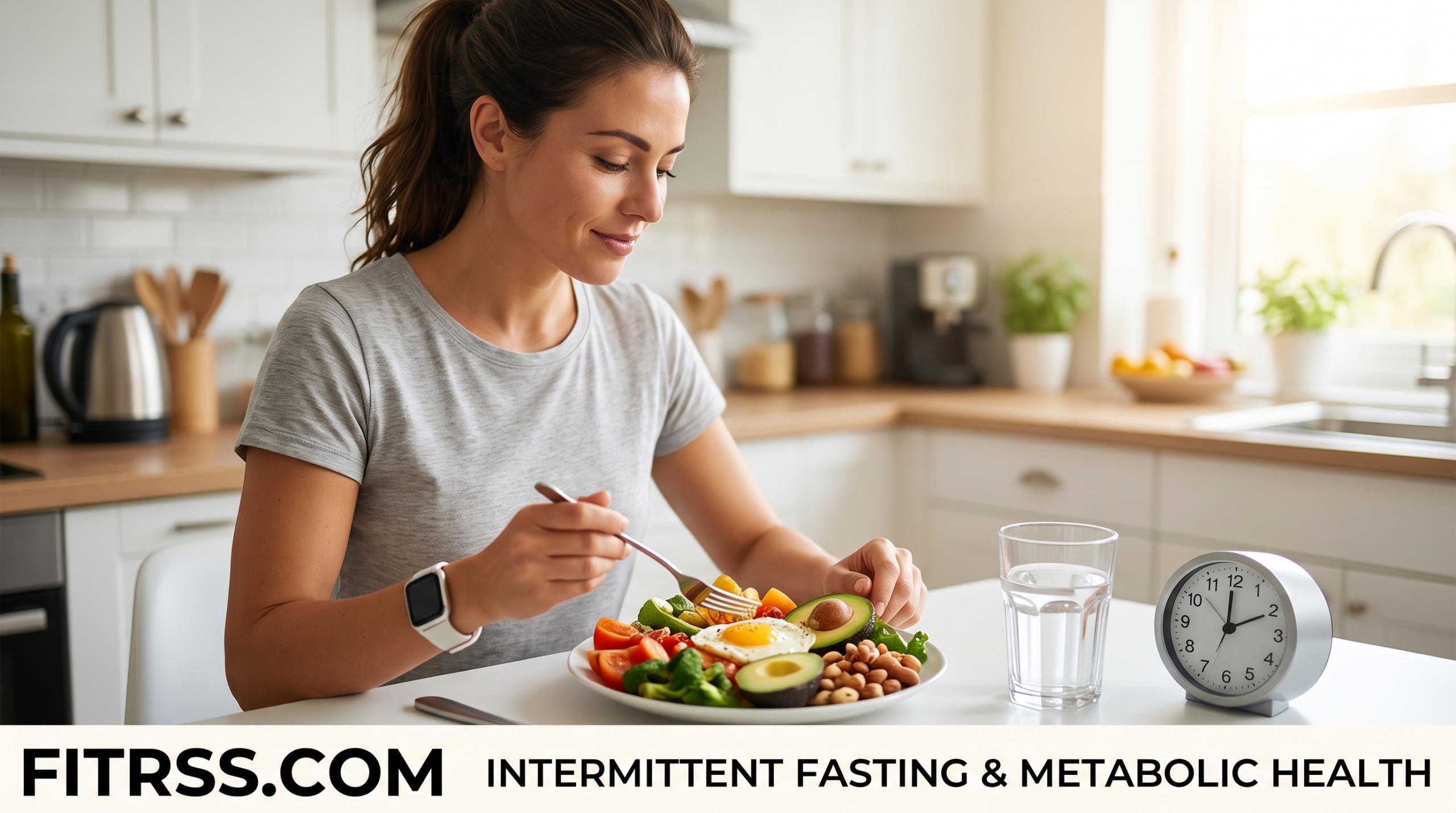

In modern clinical nutrition and metabolic science, fasting is no longer viewed merely as an ancient spiritual practice or an extreme weight loss tactic. Instead, structured biological fasting has emerged as one of the most thoroughly researched interventions for cellular rejuvenation and disease prevention. Understanding how to apply protocols for intermittent fasting metabolic health allows individuals to optimize hormone secretion, enhance cellular cleanup, and build lifelong physiological resilience.
Unlike continuous caloric restriction diets that often trigger metabolic slowing and loss of lean muscle tissue, periodic digestive rest works in harmony with human evolutionary biology. By shifting the body from continuous energy storage to active cellular repair, intermittent fasting metabolic health strategies provide profound systemic benefits that extend far beyond simple scale weight loss.
Phase 1: Cellular Mechanisms of Intermittent Fasting Metabolic Health
To understand why fasting exerts such powerful physiological effects, we must examine the metabolic cascade triggered when food intake pauses. Human energy production relies on a dynamic balance between two primary metabolic fuels: circulating glucose (from ingested carbohydrates) and fatty acids (stored in adipose tissue).
Practicing intermittent fasting metabolic health protocols initiates three critical cellular transitions:
- Suppression of Basal Insulin and Glycogen Depletion: Following food ingestion, pancreatic beta-cells release insulin to transport glucose into tissues. As the fasting window progresses beyond 12 hours, circulating insulin drops significantly, signaling the liver to break down glycogen and mobilize stored triglycerides for fuel.
- Activation of Cellular Autophagy: When nutrient sensors like mTOR (mammalian target of rapamycin) drop during fasting, cells activate Autophagy—an internal cleanup process where lysosomes degrade damaged organelles, misfolded proteins, and intracellular pathogens.
- Sustained Pulses of Human Growth Hormone (HGH): Plasma concentrations of HGH surge during extended fasting windows. Elevated HGH protects skeletal muscle tissue from catabolism while accelerating lipolysis (fat oxidation).
These cellular maintenance pathways regenerate tissue integrity and lower chronic oxidative stress across systemic organs.
Phase 2: Evidence-Based Protocols for Intermittent Fasting Metabolic Health
Selecting an appropriate fasting framework depends on individual lifestyle demands, stress tolerance, and physiological goals. Clinical literature recognizes three primary evidence-based fasting protocols:
1. The 16/8 Time-Restricted Feeding Method
The 16/8 protocol involves limiting all caloric intake to an 8-hour daily window (e.g., 12:00 PM to 8:00 PM) while fasting for the remaining 16 hours. This protocol is highly sustainable and aligns naturally with normal circadian rhythms.
2. The 5:2 Periodic Fasting Protocol
In the 5:2 framework, individuals consume their normal energy intake for 5 days of the week, while reducing caloric intake to roughly 500 to 600 nutrient-dense calories on 2 non-consecutive days.

Breaking fasts with intact whole food nutrient matrices maximizes metabolic benefits and gut microbial diversity
3. Circadian-Aligned Early Time-Restricted Eating (eTRE)
eTRE shifts the feeding window earlier in the day (e.g., 8:00 AM to 4:00 PM). Consuming calories when metabolic pancreatic sensitivity and digestive motility peak yields superior glycemic control compared to late-night eating.
Phase 3: Insulin Sensitivity, GLP-1 Secretion, and Microbiome Health
Profound improvements in intermittent fasting metabolic health stem from enhanced tissue sensitivity to key metabolic hormones. Consistently lowering baseline blood glucose prevents hyperinsulinemia, reversing cellular insulin resistance in muscle and hepatic tissue.
Furthermore, periodic digestive rest enriches the gut mucosal barrier. During fasting, beneficial bacterial strains such as Akkermansia muciniphila thrive by feeding on mucin layers, reinforcing tight junction proteins and reducing leaky gut inflammation.
When fasting is broken with fermentable fibers and healthy fats, gut L-cells secrete higher natural pulses of GLP-1 and Peptide YY, suppressing appetite naturally. Explore similar natural appetite regulation mechanisms in our feature on foods to mimic Ozempic and boost metabolism.
Key Point 4: Intermittent Fasting vs. Continuous Caloric Restriction
Comparing intermittent fasting protocols with traditional continuous caloric restriction highlights key biological differences. Medical reviews published by the National Institutes of Health (NIH / PubMed), Harvard Health Publishing, and Mayo Clinic summarize these distinctions:
| Metabolic Parameter | Intermittent Fasting Approach | Continuous Caloric Restriction |
|---|---|---|
| Cellular Autophagy & Cleanup | Robustly activated during fasting windows beyond 14-16 hours as mTOR signals drop. | Minimal activation due to frequent daily nutrient intake and persistent insulin presence. |
| Insulin Sensitivity & HGH Pulses | Dramatically reduces basal insulin; triggers compensatory HGH surges to preserve lean mass. | Modest insulin reduction; lower HGH elevation, increasing risk of lean muscle catabolism. |
| Metabolic Rate Adaptations | Preserves baseline resting metabolic rate (BMR) via adrenaline elevation during fasting. | Prone to aggressive adaptive thermogenesis, slowing baseline BMR over long periods. |
| Psychological Friction & Adherence | High adherence due to clear temporal rules; allows full, satisfying meals in eating windows. | Moderate adherence; constant meal measuring and continuous low-level hunger fatigue. |
Phase 5: How to Optimize Intermittent Fasting Metabolic Health Daily
To maximize the health benefits of fasting without inducing thyroid suppression or excessive central fatigue, follow these practical daily guidelines:

Maintaining electrolyte balance with water, black coffee, or herbal tea prevents fatigue during fasting windows
1. Maintain Hydration and Electrolyte Balance
During fasting, the kidneys excrete sodium at an accelerated rate as insulin drops. Drink ample water supplemented with sodium, potassium, and magnesium to prevent headaches and muscle cramps. Black coffee and unsweetened green tea are excellent non-caloric options.
2. Break Fasting Windows with High-Protein Whole Foods
Avoid breaking fasts with refined carbohydrates or ultra-processed sugars. Prioritize lean proteins, healthy fats, and fiber to stabilize post-prandial glucose levels. Read our comprehensive analysis on how whole foods support long-term health and cellular nutrition.
3. Combine Fasting Protocols with Low-Intensity Exercise
Engaging in Zone 2 low-intensity exercise while fasting accelerates fat oxidation and enhances mitochondrial biogenesis. Learn how to structure steady-state cardio in our guide on Zone 2 cardio for longevity and mitochondrial health.
4. Align Fasting Strategies with Sustainable Health Goals
Incorporate fasting within a comprehensive, sustainable lifestyle routine. Discover optimal body composition protocols in our guide on evidence-based strategies for healthy weight management, and build long-term consistency through building healthy habits through daily consistency.
Final Thoughts
Optimizing intermittent fasting metabolic health is a powerful, science-backed approach to restoring hormonal balance, enhancing autophagy, and building lifelong vitality. By choosing an evidence-based fasting window, prioritizing electrolyte hydration, and refueling with nutrient-dense whole foods, you unlock your body’s inherent capacity for cellular repair.
Start with a sustainable 14/10 or 16/8 routine, listen to your body’s natural biofeedback, and maintain long-term consistency. Discover more comprehensive nutrition, fitness, and wellness guides on fitrss.com to elevate your daily health transformation.